Black Phoenix
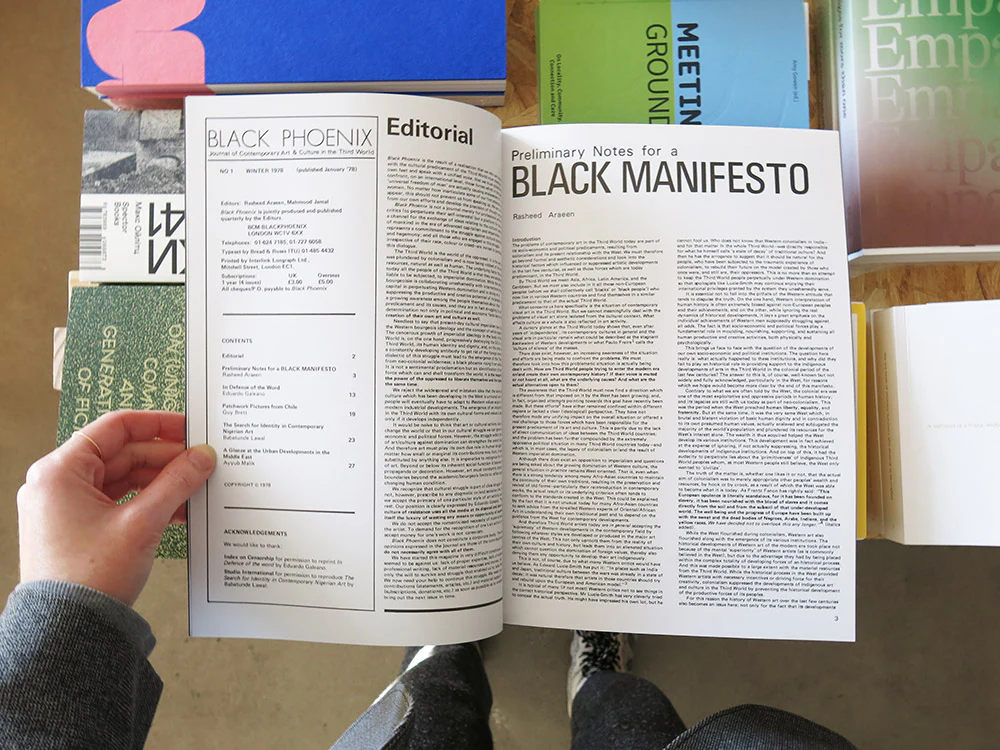
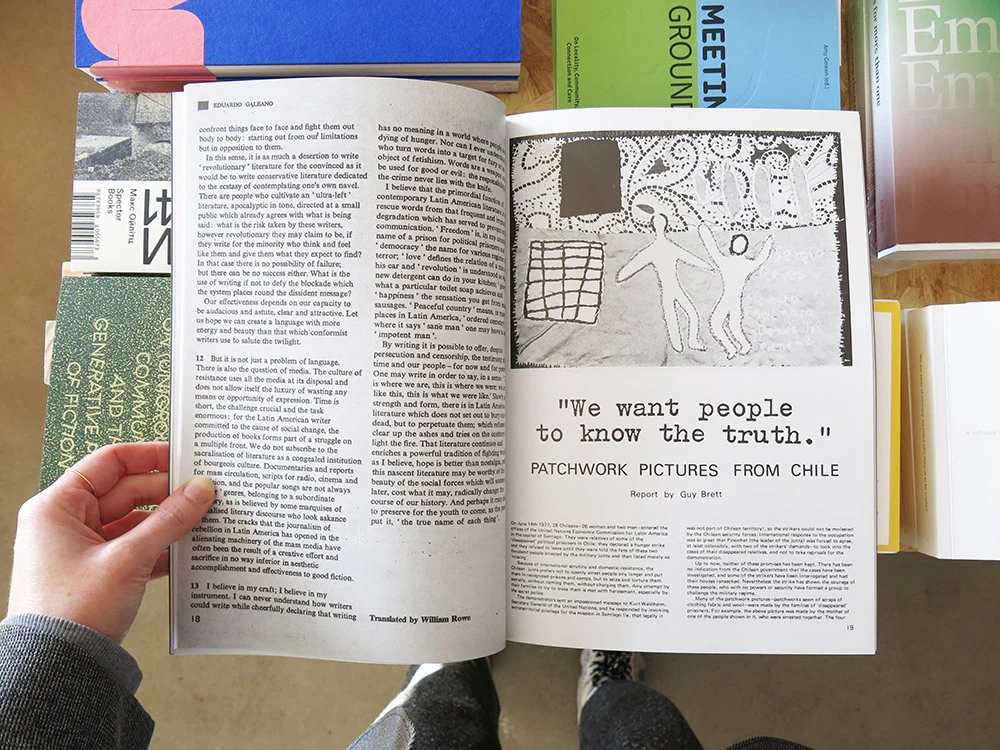
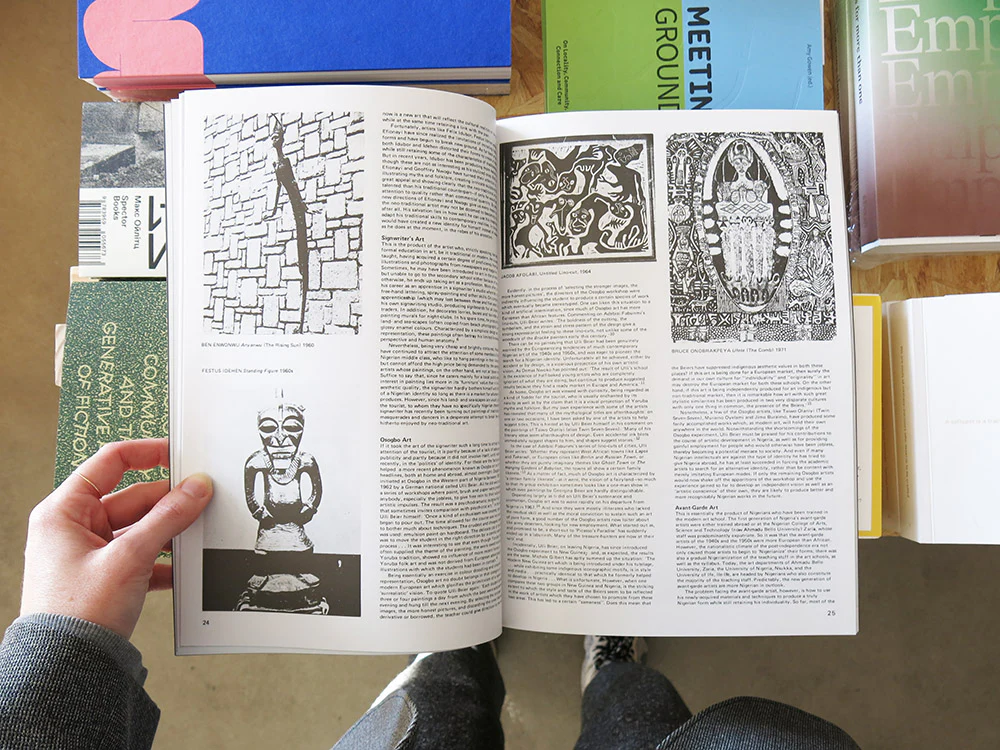
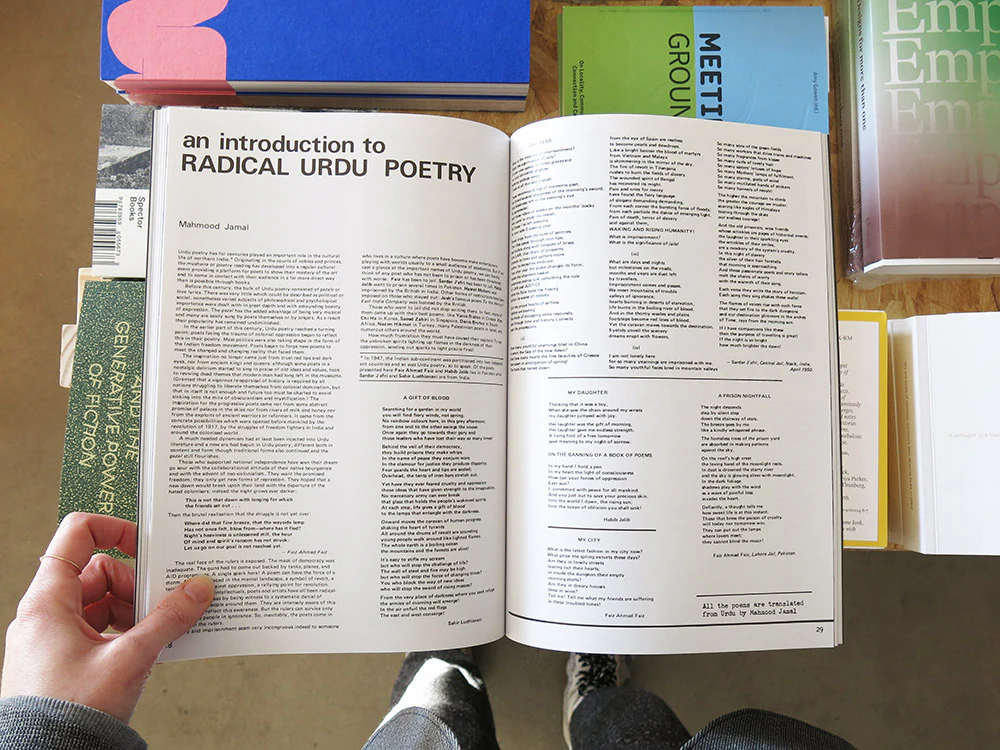
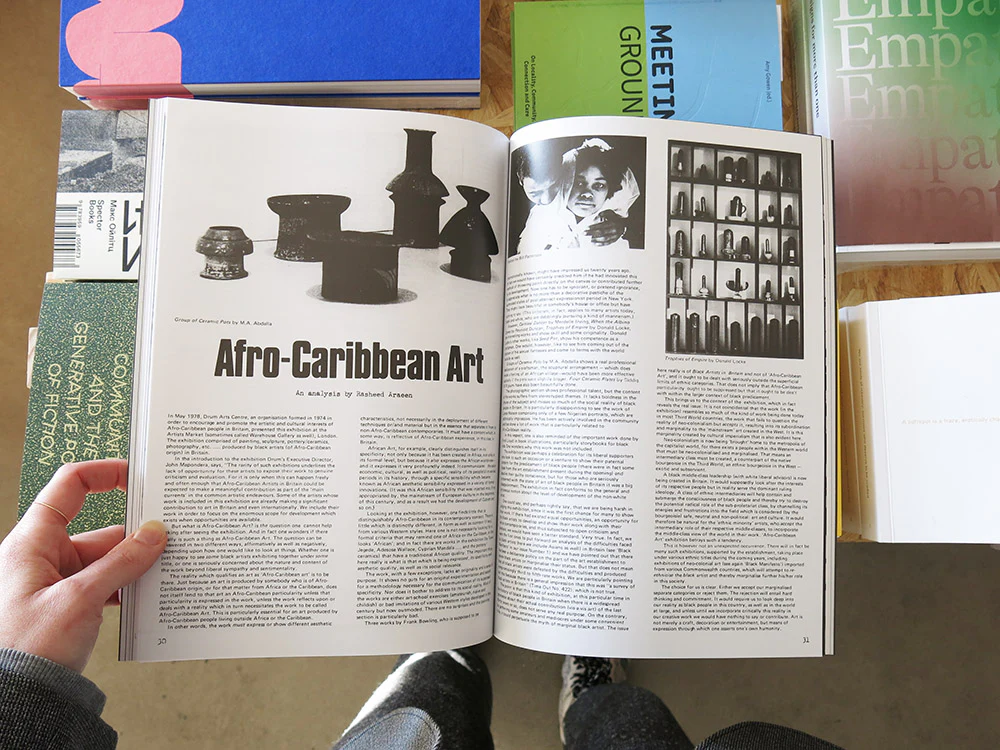
A compilation of all three issues of Black Phoenix: Journal of Contemporary Art and Culture from the Third World (re-subtitled Third World Perspectives on Contemporary Art and Culture for its second and third issues) published as facsimiles in a single volume. Emerging out of the UK in the late 1970s, this journal remains a key and radical document of its time.
More than a decade after ‘60s liberation movements and the historic Bandung and Tricontinental Conferences, which called for social and political alignment and solidarity to dismantle Western imperialism and (neo)colonialism, Black Phoenix issued a rallying call for the formation of a Third World, liberatory arts and culture movement on the eve of Margaret Thatcher’s election in 1979. Both international and national in scope, Black Phoenix positioned diasporic and colonial histories at the center of an evolving anti-racist and -imperialist consciousness in late 1970s Britain—one that would yield complex and nuanced discourses of race, class, and postcolonial theory in England in the decade that followed. A precursor to the British Black Arts Movement which formed in 1982 and encompassed such cultural practitioners as the Black Audio Film Collective and cultural studies theorist Stuart Hall, Black Phoenix proposed a horizon for blackness beyond racial binaries, across the Third World and the colonised of the interior in the West.
104 pages, 24 x 30cm, softcover, Primary Information (New York).
More Images


Black Phoenix
A compilation of all three issues of Black Phoenix: Journal of Contemporary Art and Culture from the Third World (re-subtitled Third World Perspectives on Contemporary Art and Culture for its second and third issues) published as facsimiles in a single volume. Emerging out of the UK in the late 1970s, this journal remains a key and radical document of its time.
More than a decade after ‘60s liberation movements and the historic Bandung and Tricontinental Conferences, which called for social and political alignment and solidarity to dismantle Western imperialism and (neo)colonialism, Black Phoenix issued a rallying call for the formation of a Third World, liberatory arts and culture movement on the eve of Margaret Thatcher’s election in 1979. Both international and national in scope, Black Phoenix positioned diasporic and colonial histories at the center of an evolving anti-racist and -imperialist consciousness in late 1970s Britain—one that would yield complex and nuanced discourses of race, class, and postcolonial theory in England in the decade that followed. A precursor to the British Black Arts Movement which formed in 1982 and encompassed such cultural practitioners as the Black Audio Film Collective and cultural studies theorist Stuart Hall, Black Phoenix proposed a horizon for blackness beyond racial binaries, across the Third World and the colonised of the interior in the West.
104 pages, 24 x 30cm, softcover, Primary Information (New York).
Product Information
Product Information
Shipping & Returns
Shipping & Returns
Description
A compilation of all three issues of Black Phoenix: Journal of Contemporary Art and Culture from the Third World (re-subtitled Third World Perspectives on Contemporary Art and Culture for its second and third issues) published as facsimiles in a single volume. Emerging out of the UK in the late 1970s, this journal remains a key and radical document of its time.
More than a decade after ‘60s liberation movements and the historic Bandung and Tricontinental Conferences, which called for social and political alignment and solidarity to dismantle Western imperialism and (neo)colonialism, Black Phoenix issued a rallying call for the formation of a Third World, liberatory arts and culture movement on the eve of Margaret Thatcher’s election in 1979. Both international and national in scope, Black Phoenix positioned diasporic and colonial histories at the center of an evolving anti-racist and -imperialist consciousness in late 1970s Britain—one that would yield complex and nuanced discourses of race, class, and postcolonial theory in England in the decade that followed. A precursor to the British Black Arts Movement which formed in 1982 and encompassed such cultural practitioners as the Black Audio Film Collective and cultural studies theorist Stuart Hall, Black Phoenix proposed a horizon for blackness beyond racial binaries, across the Third World and the colonised of the interior in the West.
104 pages, 24 x 30cm, softcover, Primary Information (New York).