Simon Wald-Lasowski – The Art of the Hairy Monkey
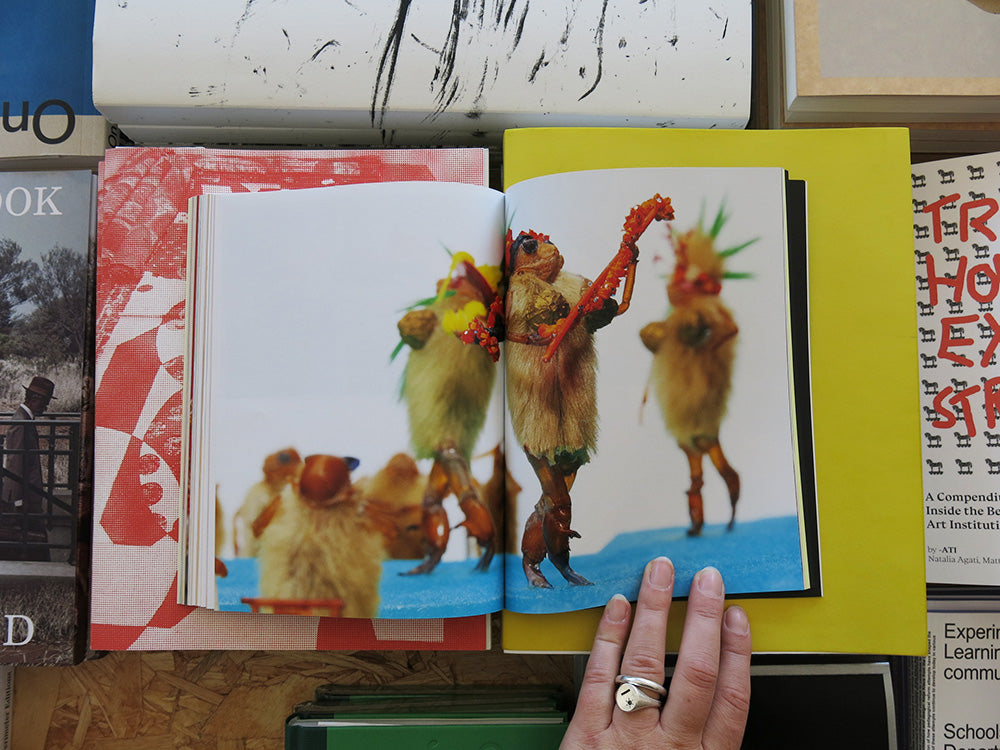
The Art of the Hairy Monkey unveils the world of máohóu, an obscure, satirical folk art from Beijing dating back 200 years. Tiny mischievous figures are crafted from materials used in traditional Chinese medicine: cicada skins and magnolia buds. These miniature characters are placed in rich dioramas that mirror society through wit, irony, and gentle provocation. Long practiced yet rarely documented, the tradition of the 'Hairy Monkey' has recently been recognised as Intangible Cultural Heritage in China. This is the first dedicated publication on the subject outside its country of origin, offering an intriguing look at Chinese culture, subversive humour, and overlooked artistic traditions.
More Images




Simon Wald-Lasowski – The Art of the Hairy Monkey
The Art of the Hairy Monkey unveils the world of máohóu, an obscure, satirical folk art from Beijing dating back 200 years. Tiny mischievous figures are crafted from materials used in traditional Chinese medicine: cicada skins and magnolia buds. These miniature characters are placed in rich dioramas that mirror society through wit, irony, and gentle provocation. Long practiced yet rarely documented, the tradition of the 'Hairy Monkey' has recently been recognised as Intangible Cultural Heritage in China. This is the first dedicated publication on the subject outside its country of origin, offering an intriguing look at Chinese culture, subversive humour, and overlooked artistic traditions.
Product Information
Product Information
Shipping & Returns
Shipping & Returns
Description
The Art of the Hairy Monkey unveils the world of máohóu, an obscure, satirical folk art from Beijing dating back 200 years. Tiny mischievous figures are crafted from materials used in traditional Chinese medicine: cicada skins and magnolia buds. These miniature characters are placed in rich dioramas that mirror society through wit, irony, and gentle provocation. Long practiced yet rarely documented, the tradition of the 'Hairy Monkey' has recently been recognised as Intangible Cultural Heritage in China. This is the first dedicated publication on the subject outside its country of origin, offering an intriguing look at Chinese culture, subversive humour, and overlooked artistic traditions.