🚚 Free Worldwide Shipping on All Orders!Shop Now

Rod McNicol – A Portrait
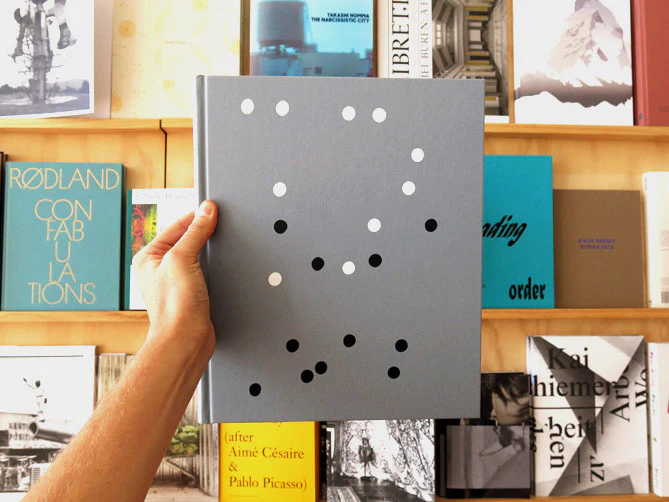
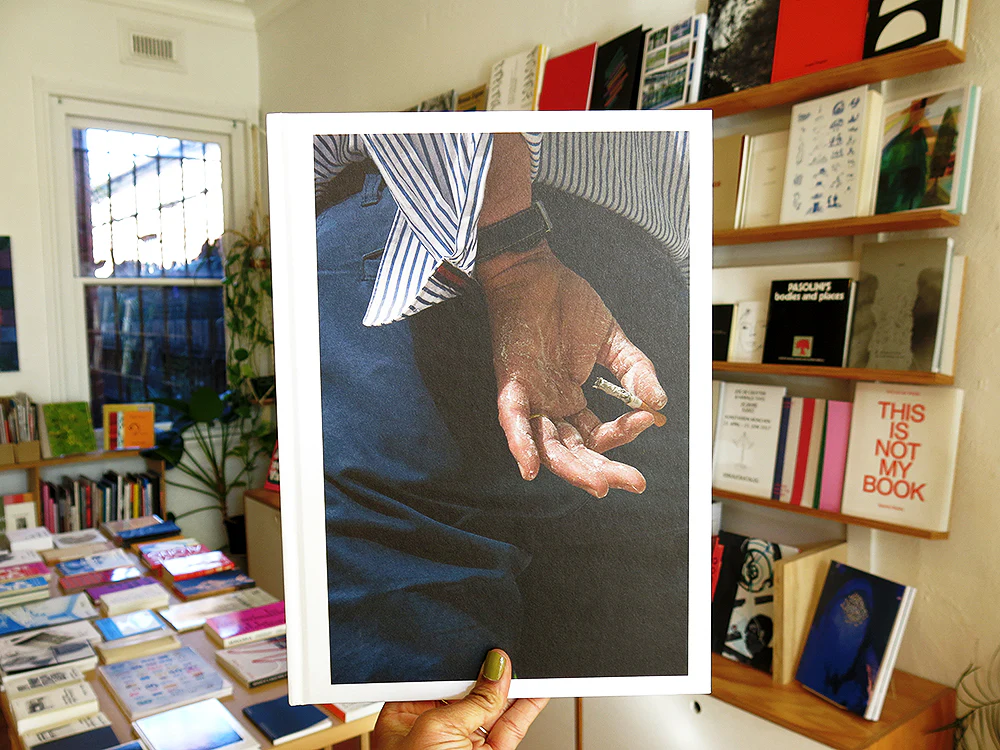
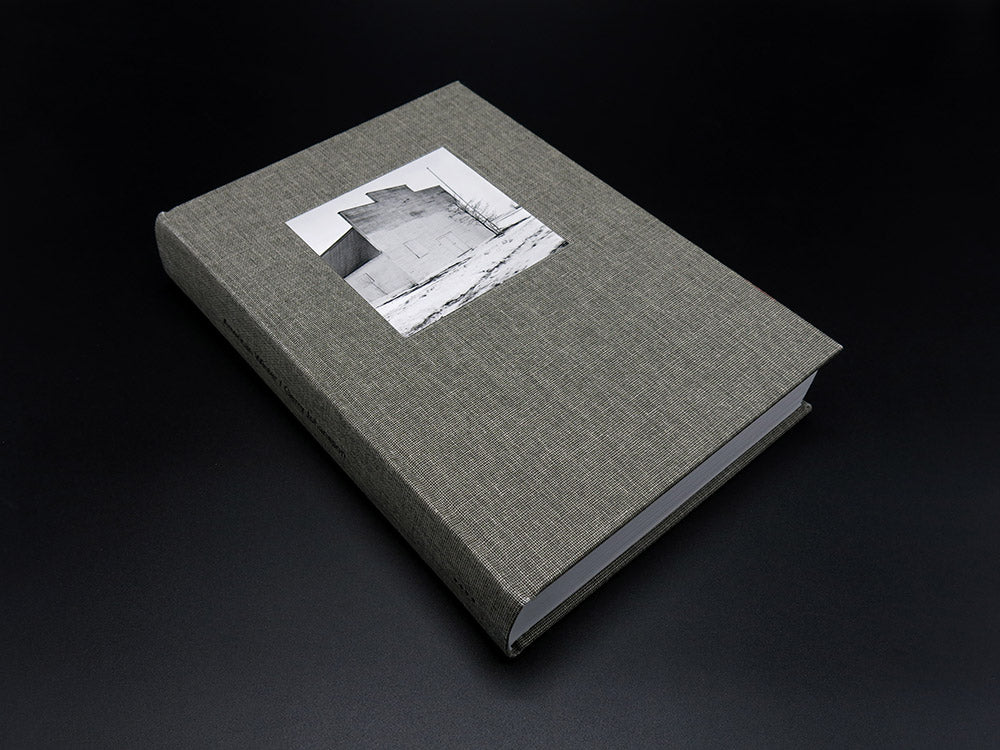
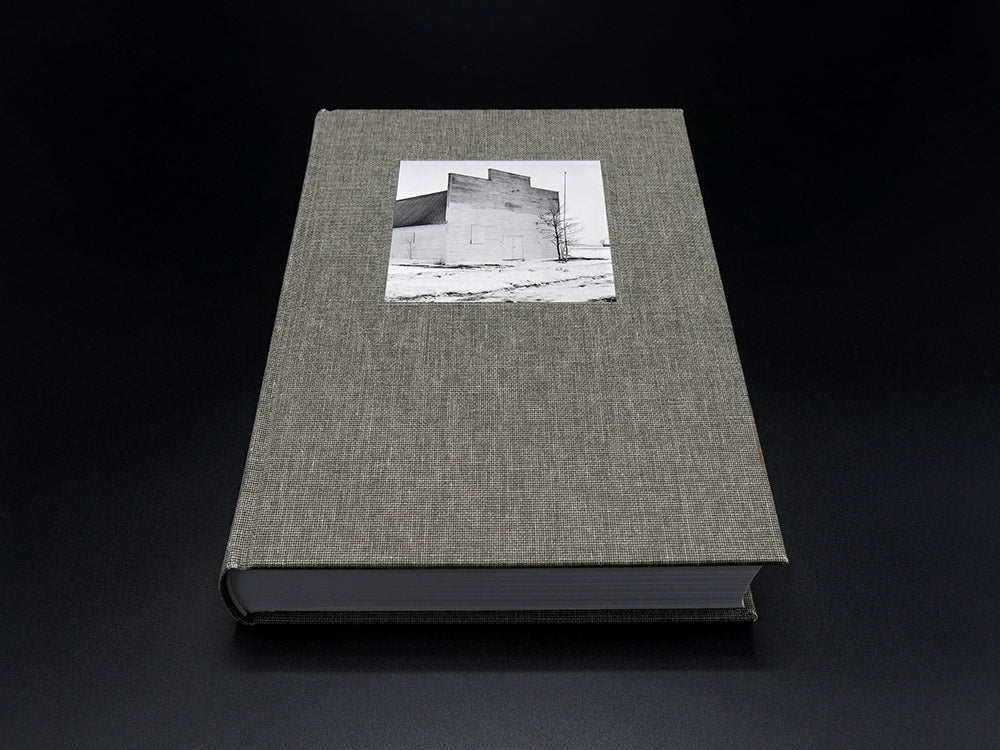
This delicate cloth covered book, designed by Yanni Florence and featuring an essay from writer and curator Pippa Milne, is the first comprehensive publication of Rod McNicol’s distinctive portraits, ranging from those of his peers in his first exhibition in 1978, through to his now iconic ‘time’ series and his acclaimed portraits of the ever-changing denizens of his neighbourhood – or his ‘village’, as he terms it. Each image is rooted in a time and place but shares a rigorous approach and a disciplined formality reminiscent of the mug shot. But in contrast to the sterility of the mug shot, each of McNicol’s images is imbued with the sense of our common human condition.
In his introductory text to the book McNicol discusses this approach to portraiture: ‘So why was I paring back portraiture to this bare essence, producing images that were in no way trying to convey notions of ‘inner character’ or expressions of individual ‘personality traits’ – all the usual tropes for portraiture? By removing all these ‘constructs’ – the better to engage directly with the sitter – I was seeking to evoke anew something that had become obscured over time, something that had become diluted by familiarity and the sheer volume of imagery available – namely that haunting spectre of time that still lies quietly inherent in photography itself. And time always hints at mortality.
108 pages, 22 x 22cm, hardcover, M.33 (Melbourne).
In his introductory text to the book McNicol discusses this approach to portraiture: ‘So why was I paring back portraiture to this bare essence, producing images that were in no way trying to convey notions of ‘inner character’ or expressions of individual ‘personality traits’ – all the usual tropes for portraiture? By removing all these ‘constructs’ – the better to engage directly with the sitter – I was seeking to evoke anew something that had become obscured over time, something that had become diluted by familiarity and the sheer volume of imagery available – namely that haunting spectre of time that still lies quietly inherent in photography itself. And time always hints at mortality.
108 pages, 22 x 22cm, hardcover, M.33 (Melbourne).
$34.22
Rod McNicol – A Portrait—
$34.22
More Images




Rod McNicol – A Portrait
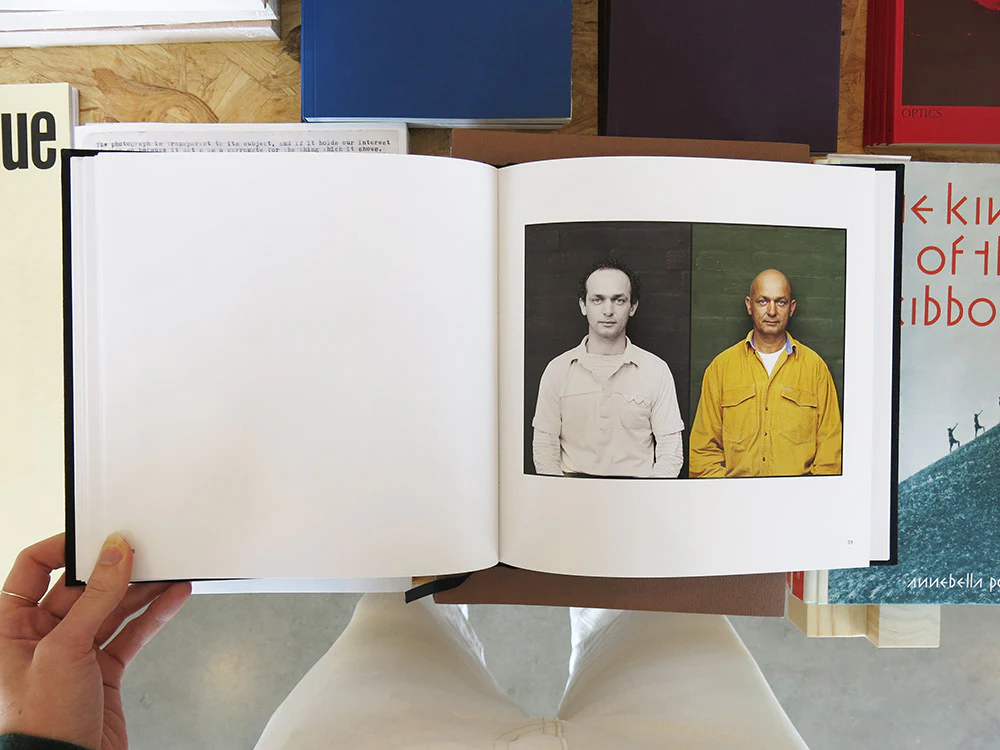
This delicate cloth covered book, designed by Yanni Florence and featuring an essay from writer and curator Pippa Milne, is the first comprehensive publication of Rod McNicol’s distinctive portraits, ranging from those of his peers in his first exhibition in 1978, through to his now iconic ‘time’ series and his acclaimed portraits of the ever-changing denizens of his neighbourhood – or his ‘village’, as he terms it. Each image is rooted in a time and place but shares a rigorous approach and a disciplined formality reminiscent of the mug shot. But in contrast to the sterility of the mug shot, each of McNicol’s images is imbued with the sense of our common human condition.
In his introductory text to the book McNicol discusses this approach to portraiture: ‘So why was I paring back portraiture to this bare essence, producing images that were in no way trying to convey notions of ‘inner character’ or expressions of individual ‘personality traits’ – all the usual tropes for portraiture? By removing all these ‘constructs’ – the better to engage directly with the sitter – I was seeking to evoke anew something that had become obscured over time, something that had become diluted by familiarity and the sheer volume of imagery available – namely that haunting spectre of time that still lies quietly inherent in photography itself. And time always hints at mortality.
108 pages, 22 x 22cm, hardcover, M.33 (Melbourne).
In his introductory text to the book McNicol discusses this approach to portraiture: ‘So why was I paring back portraiture to this bare essence, producing images that were in no way trying to convey notions of ‘inner character’ or expressions of individual ‘personality traits’ – all the usual tropes for portraiture? By removing all these ‘constructs’ – the better to engage directly with the sitter – I was seeking to evoke anew something that had become obscured over time, something that had become diluted by familiarity and the sheer volume of imagery available – namely that haunting spectre of time that still lies quietly inherent in photography itself. And time always hints at mortality.
108 pages, 22 x 22cm, hardcover, M.33 (Melbourne).
Product Information
Product Information
Shipping & Returns
Shipping & Returns
Description
This delicate cloth covered book, designed by Yanni Florence and featuring an essay from writer and curator Pippa Milne, is the first comprehensive publication of Rod McNicol’s distinctive portraits, ranging from those of his peers in his first exhibition in 1978, through to his now iconic ‘time’ series and his acclaimed portraits of the ever-changing denizens of his neighbourhood – or his ‘village’, as he terms it. Each image is rooted in a time and place but shares a rigorous approach and a disciplined formality reminiscent of the mug shot. But in contrast to the sterility of the mug shot, each of McNicol’s images is imbued with the sense of our common human condition.
In his introductory text to the book McNicol discusses this approach to portraiture: ‘So why was I paring back portraiture to this bare essence, producing images that were in no way trying to convey notions of ‘inner character’ or expressions of individual ‘personality traits’ – all the usual tropes for portraiture? By removing all these ‘constructs’ – the better to engage directly with the sitter – I was seeking to evoke anew something that had become obscured over time, something that had become diluted by familiarity and the sheer volume of imagery available – namely that haunting spectre of time that still lies quietly inherent in photography itself. And time always hints at mortality.
108 pages, 22 x 22cm, hardcover, M.33 (Melbourne).
In his introductory text to the book McNicol discusses this approach to portraiture: ‘So why was I paring back portraiture to this bare essence, producing images that were in no way trying to convey notions of ‘inner character’ or expressions of individual ‘personality traits’ – all the usual tropes for portraiture? By removing all these ‘constructs’ – the better to engage directly with the sitter – I was seeking to evoke anew something that had become obscured over time, something that had become diluted by familiarity and the sheer volume of imagery available – namely that haunting spectre of time that still lies quietly inherent in photography itself. And time always hints at mortality.
108 pages, 22 x 22cm, hardcover, M.33 (Melbourne).