Robotron
The rapid advance of computers and microelectronics since the 1960s is often described as the “third industrial revolution.” In the GDR, the name Robotron in particular stood for this new technology, which extended into virtually every sector of the economy. Looking back at the history of the combine, technological possibilities and social aspirations converge.
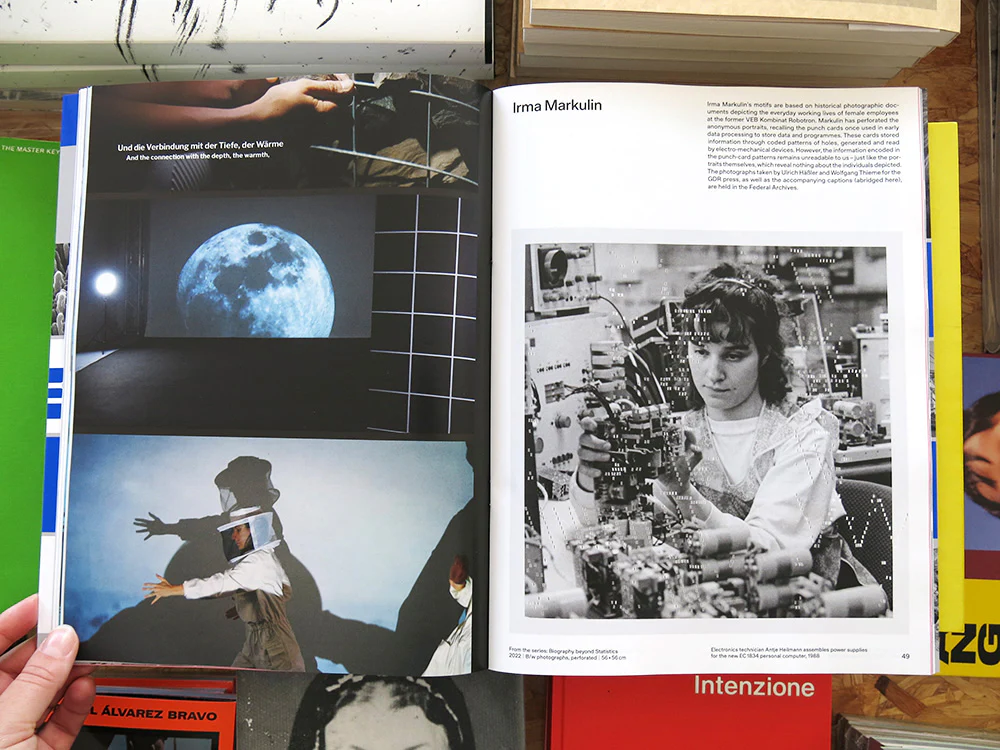
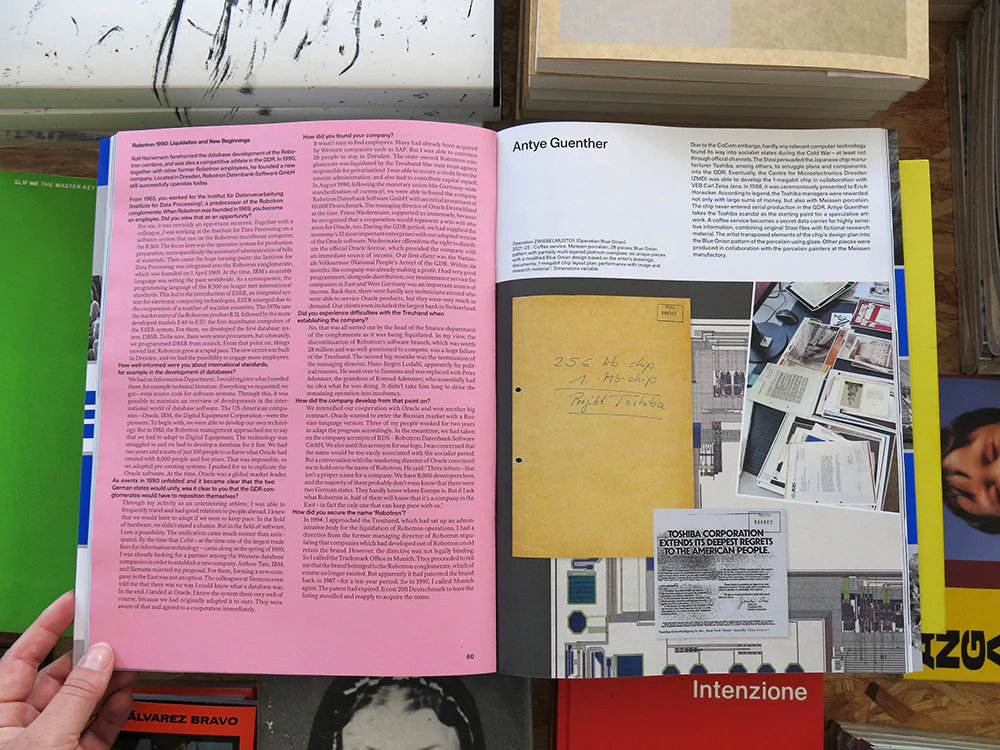
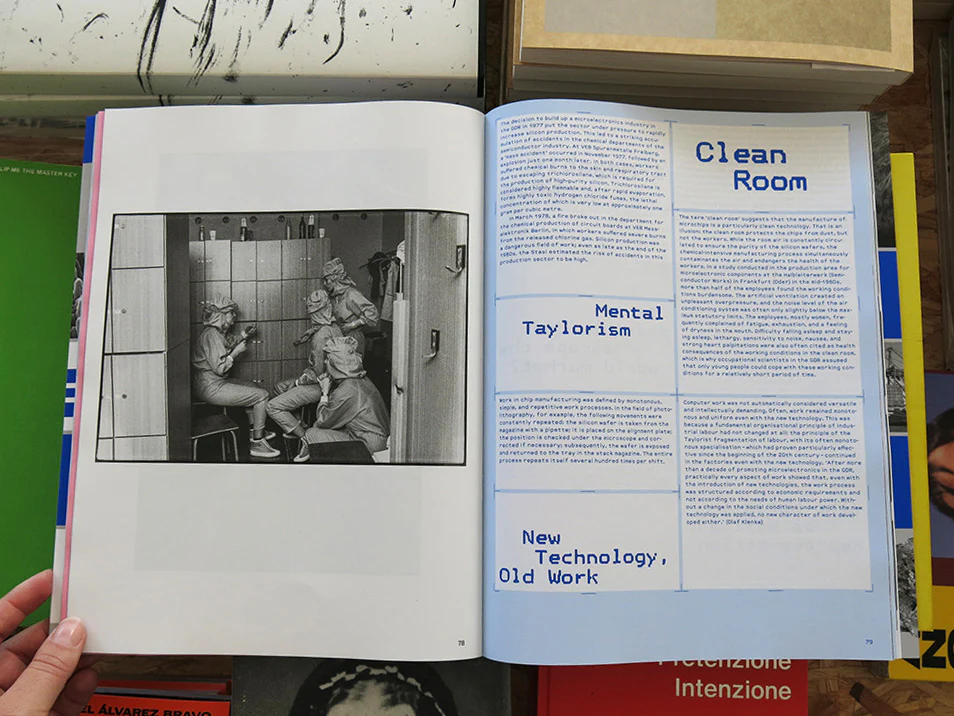
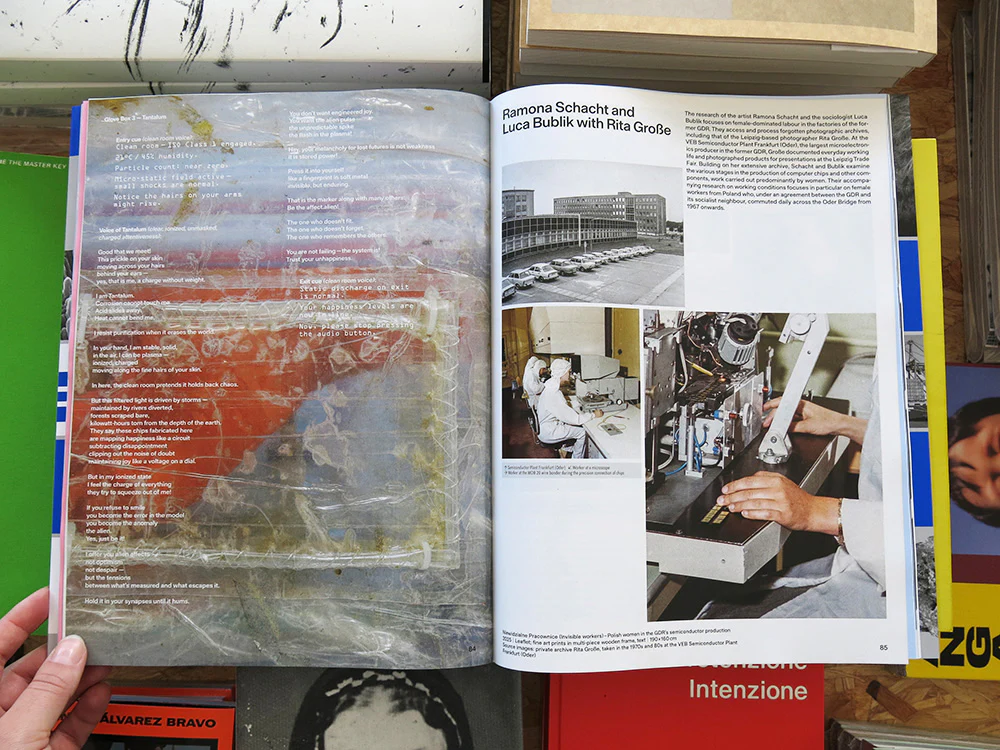
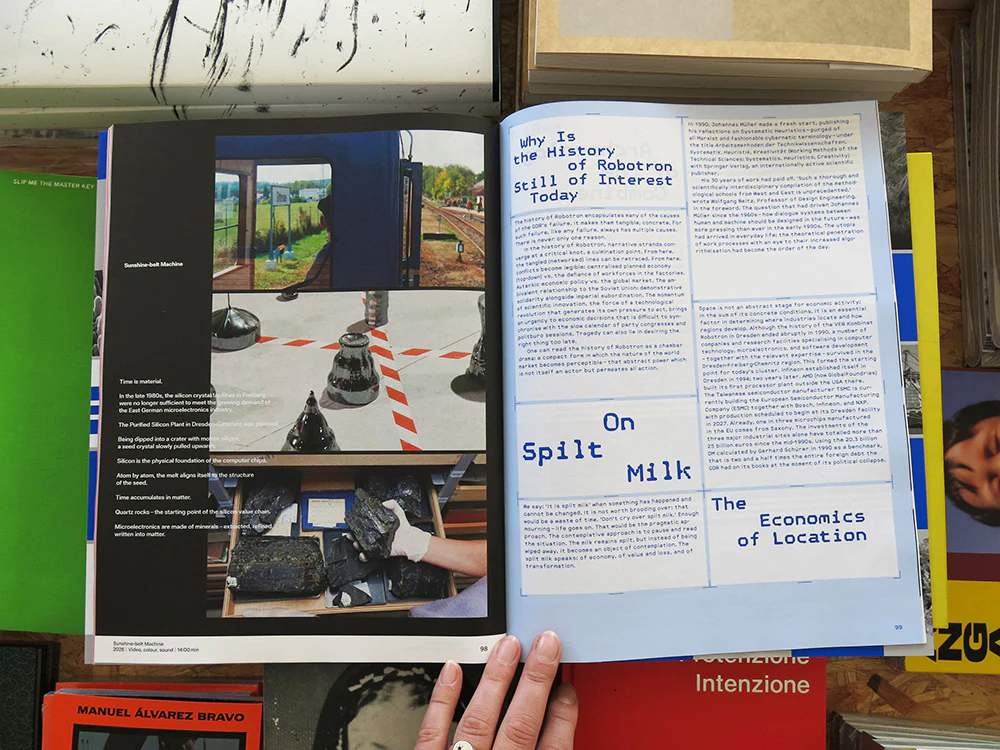
Through a montage of conversations, documents, artistic works, and reflections on the relationship between geopolitics, the planned economy, and the global market, the book examines the industrial development of the East German state. In doing so, it challenges conventional notions that have become entrenched in narratives of a “socialist” past and sheds light on the political and economic contradictions that ultimately led to the collapse of the GDR.
Inke Arns is a curator, author, and director of HMKV Hartware MedienKunstVerein. Sabine Weier is an author and curator and a member of the team at GfZK – Galerie für Zeitgenössische Kunst Leipzig. Jan Wenzel is an author and publisher at Spector Books. Franciska Zólyom is an art historian, curator, and director of GfZK – Galerie für Zeitgenössische Kunst Leipzig.
Original: $39.93
-65%$39.93
$13.98More Images
Robotron
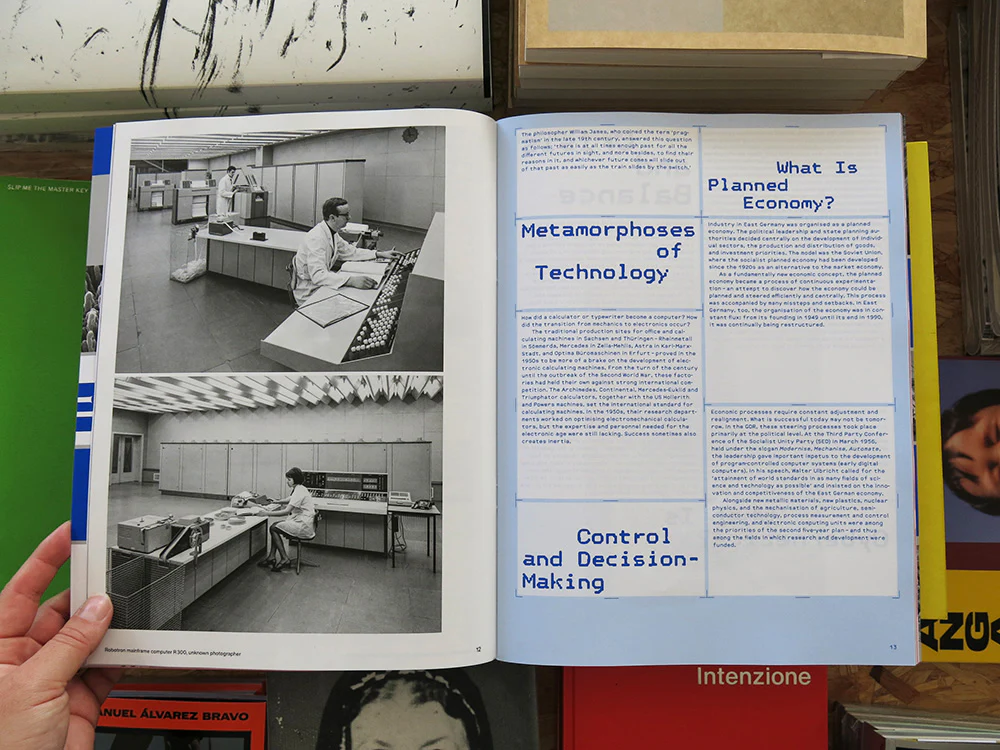
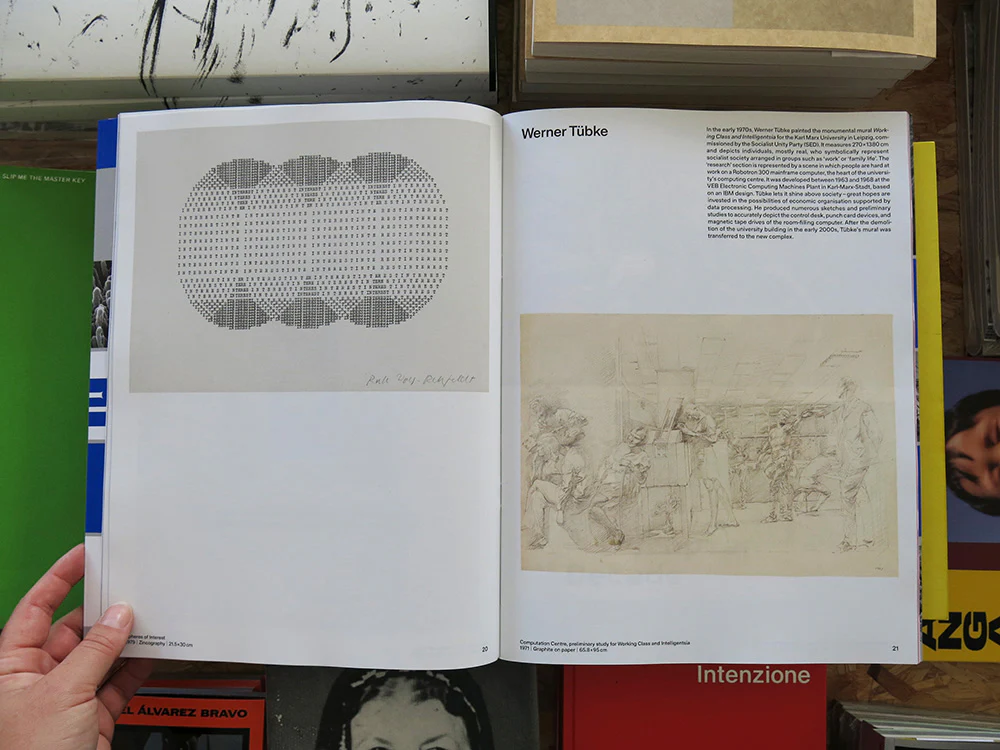
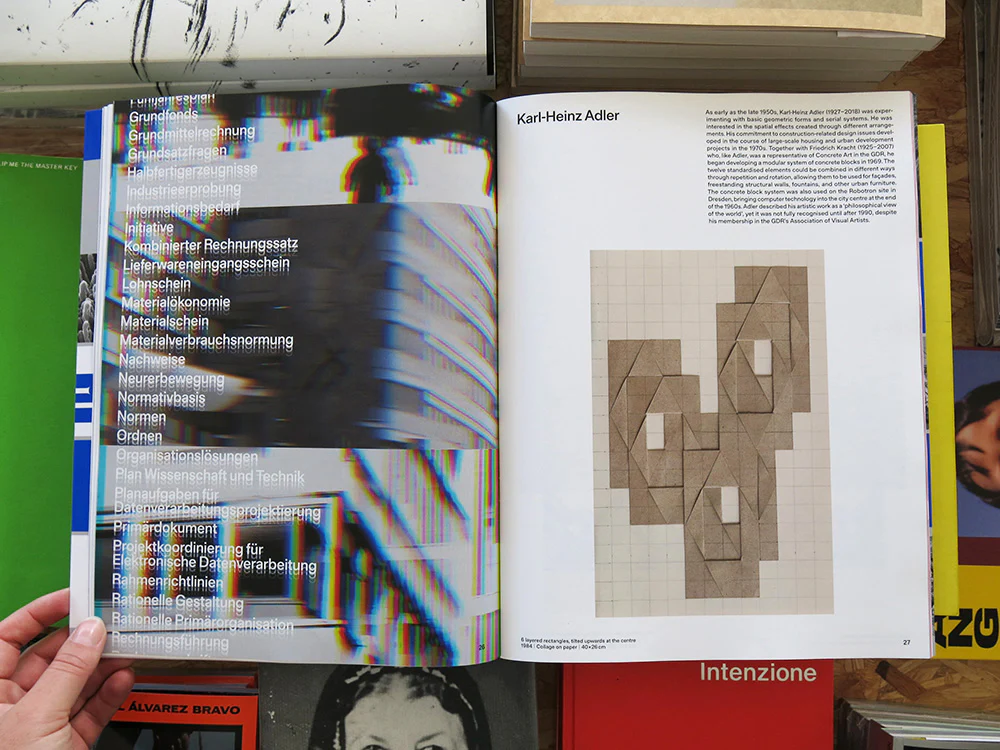
The rapid advance of computers and microelectronics since the 1960s is often described as the “third industrial revolution.” In the GDR, the name Robotron in particular stood for this new technology, which extended into virtually every sector of the economy. Looking back at the history of the combine, technological possibilities and social aspirations converge.
Through a montage of conversations, documents, artistic works, and reflections on the relationship between geopolitics, the planned economy, and the global market, the book examines the industrial development of the East German state. In doing so, it challenges conventional notions that have become entrenched in narratives of a “socialist” past and sheds light on the political and economic contradictions that ultimately led to the collapse of the GDR.
Inke Arns is a curator, author, and director of HMKV Hartware MedienKunstVerein. Sabine Weier is an author and curator and a member of the team at GfZK – Galerie für Zeitgenössische Kunst Leipzig. Jan Wenzel is an author and publisher at Spector Books. Franciska Zólyom is an art historian, curator, and director of GfZK – Galerie für Zeitgenössische Kunst Leipzig.
Product Information
Product Information
Shipping & Returns
Shipping & Returns
Description
The rapid advance of computers and microelectronics since the 1960s is often described as the “third industrial revolution.” In the GDR, the name Robotron in particular stood for this new technology, which extended into virtually every sector of the economy. Looking back at the history of the combine, technological possibilities and social aspirations converge.
Through a montage of conversations, documents, artistic works, and reflections on the relationship between geopolitics, the planned economy, and the global market, the book examines the industrial development of the East German state. In doing so, it challenges conventional notions that have become entrenched in narratives of a “socialist” past and sheds light on the political and economic contradictions that ultimately led to the collapse of the GDR.
Inke Arns is a curator, author, and director of HMKV Hartware MedienKunstVerein. Sabine Weier is an author and curator and a member of the team at GfZK – Galerie für Zeitgenössische Kunst Leipzig. Jan Wenzel is an author and publisher at Spector Books. Franciska Zólyom is an art historian, curator, and director of GfZK – Galerie für Zeitgenössische Kunst Leipzig.