🚚 Free Worldwide Shipping on All Orders!Shop Now
Prishtina in 53 Buildings
HomeStore

Prishtina in 53 Buildings

Prishtina in 53 Buildings

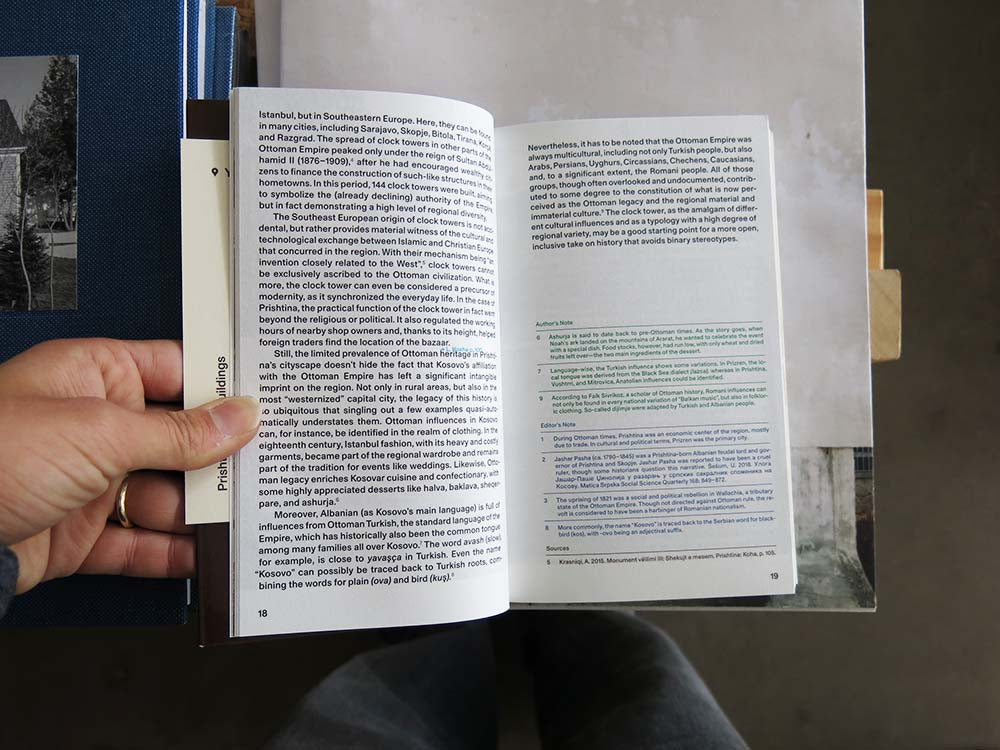
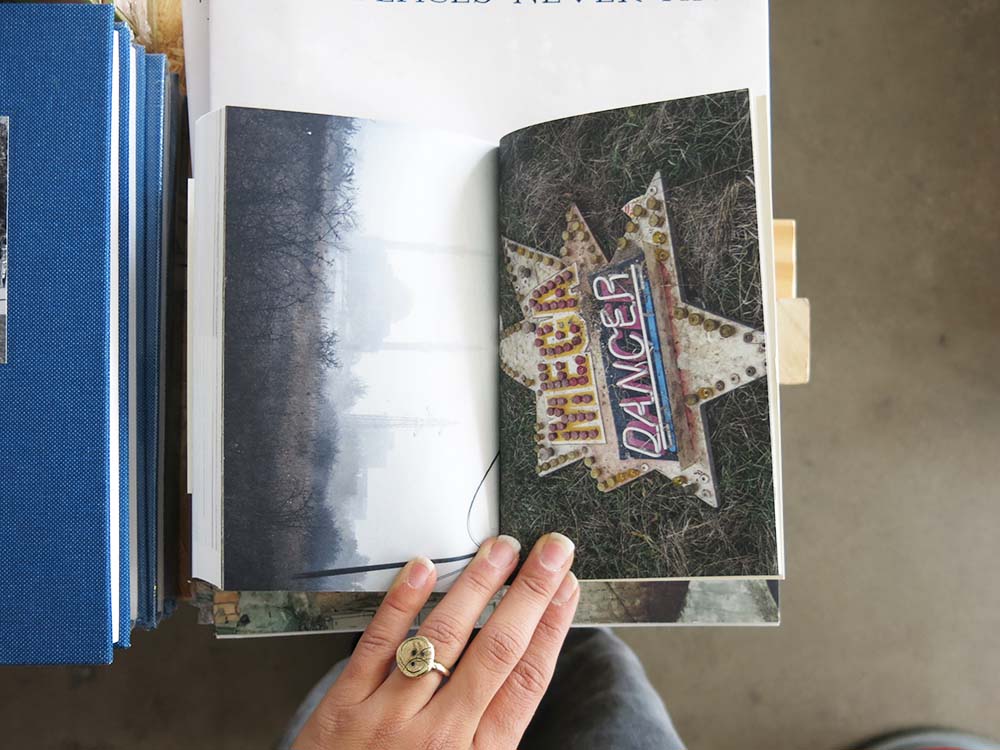
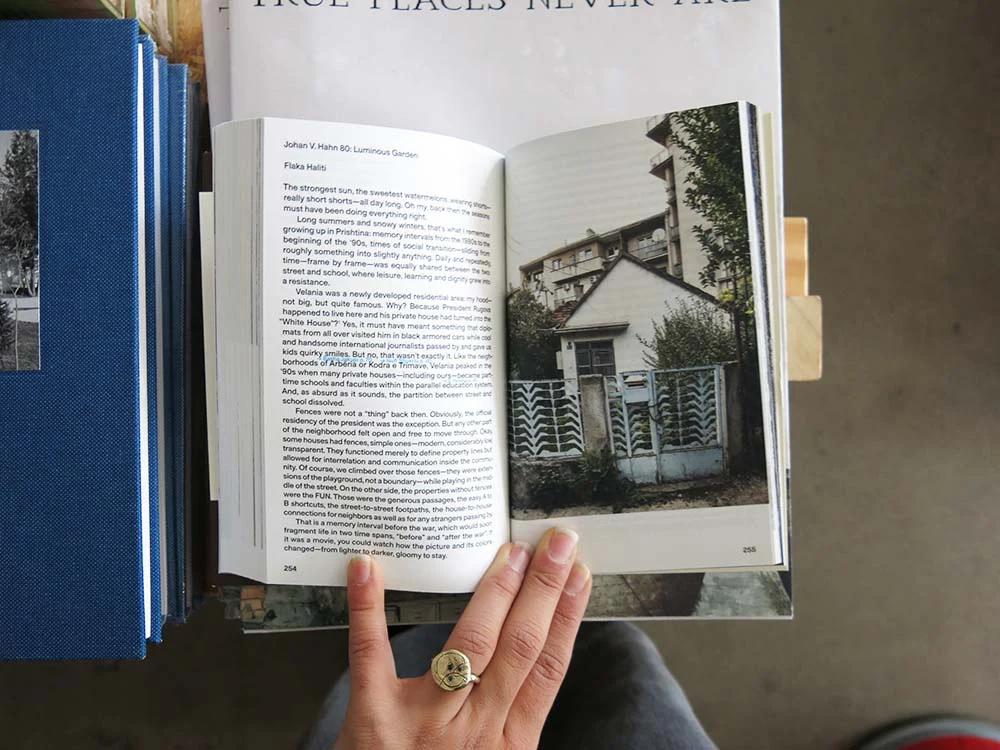
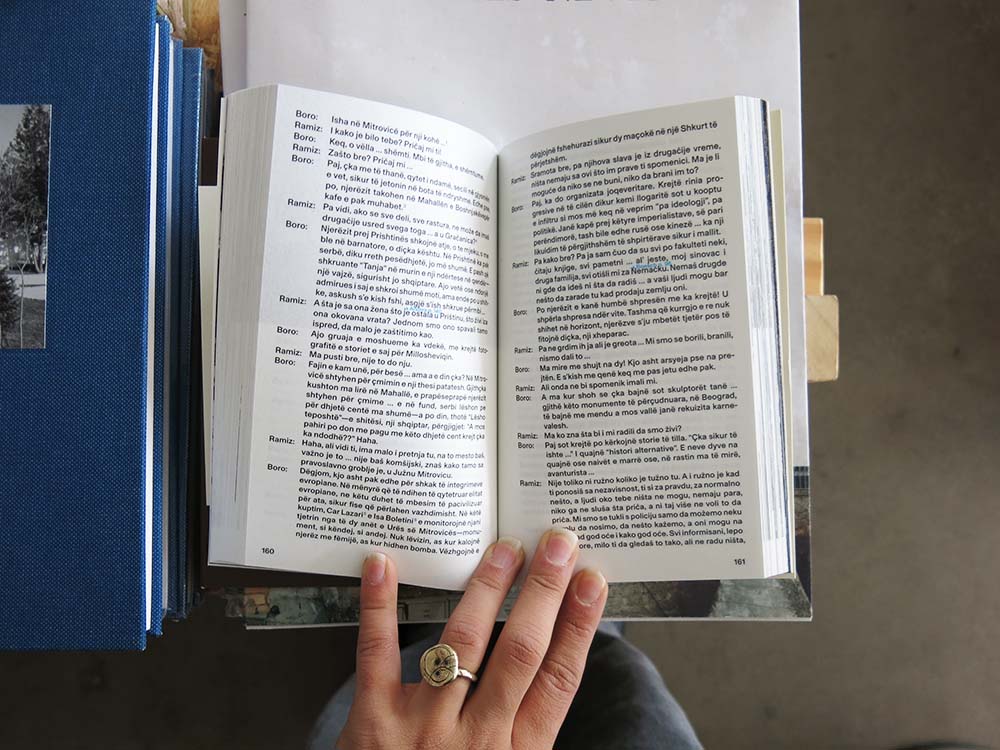
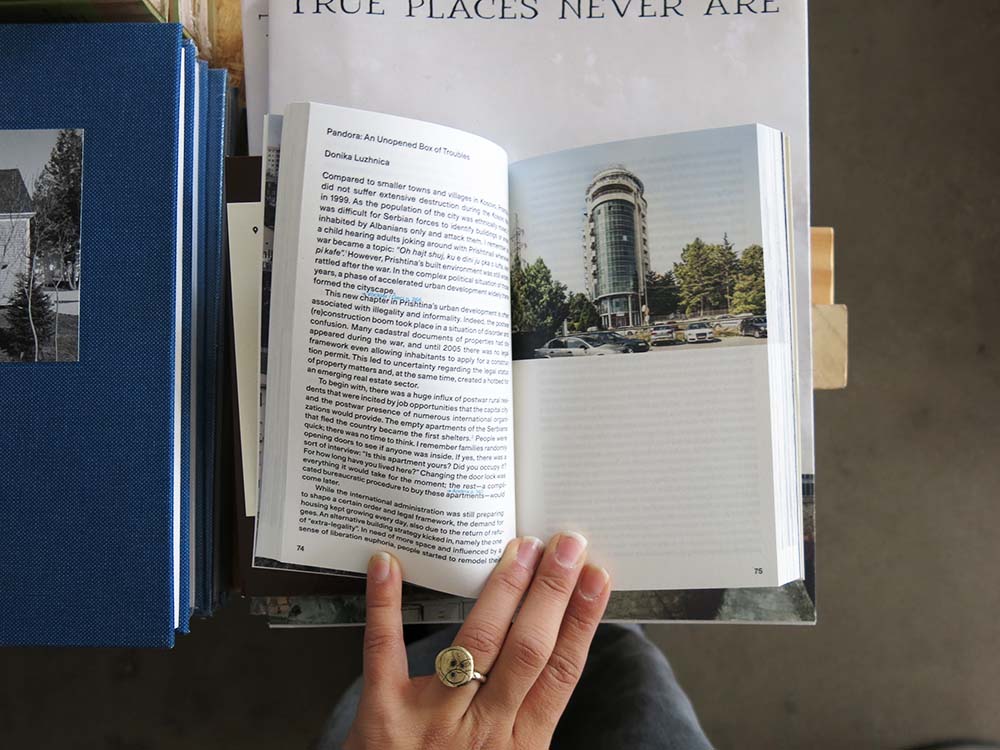
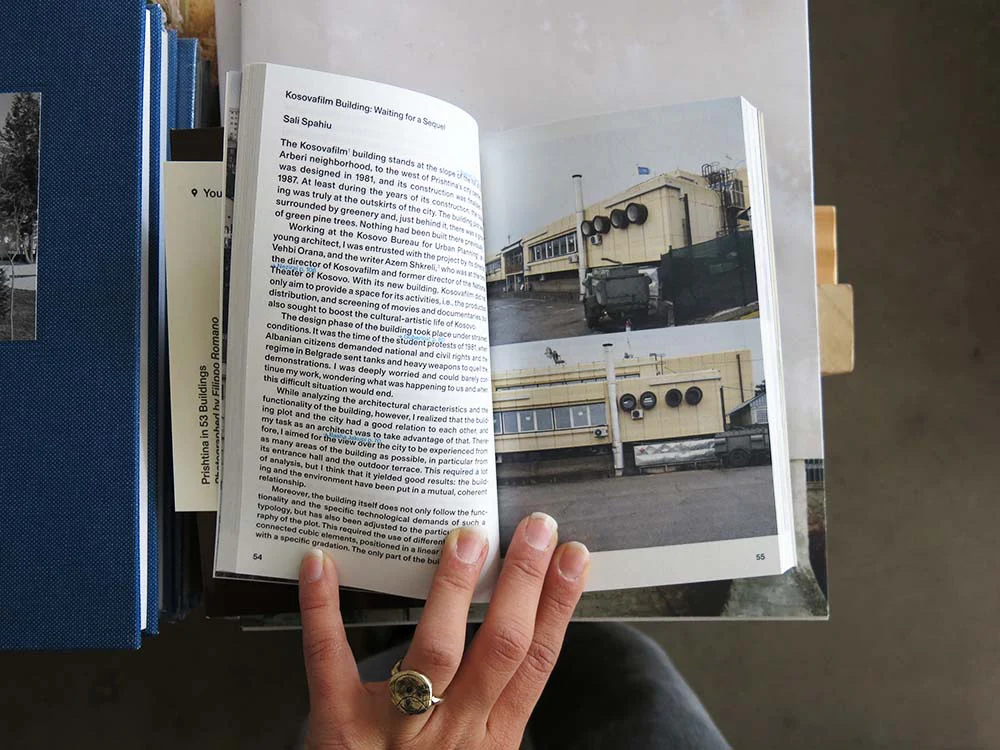
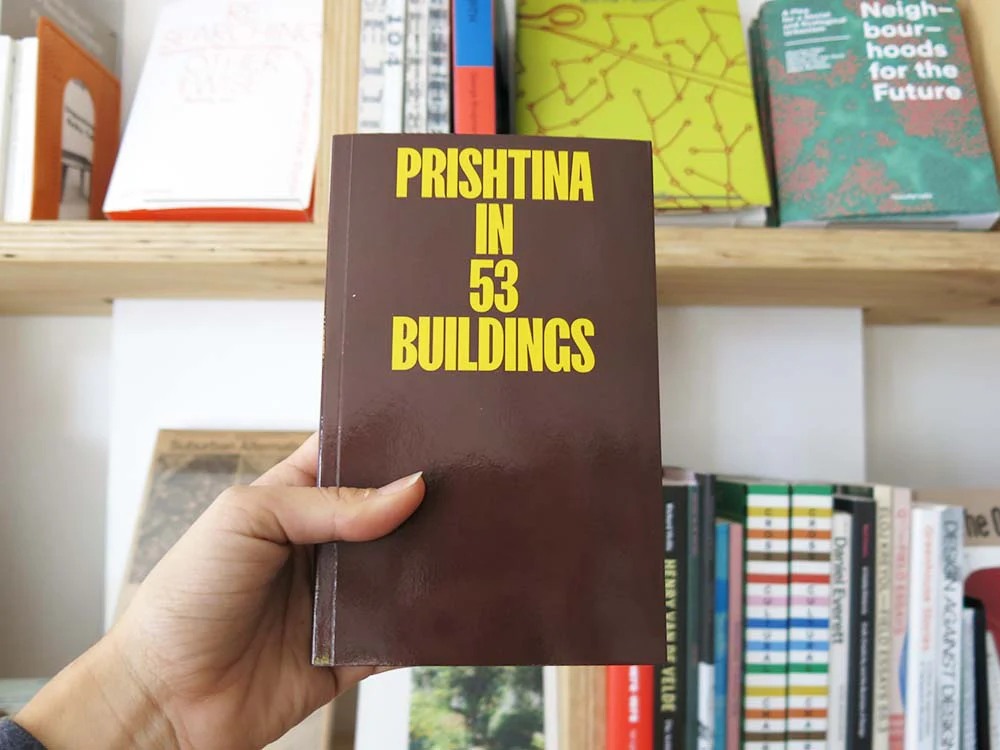
Prishtina in 53 Buildings draws a multifaceted portrait of Kosovo’s capital city by using architecture as a prism to understand political, cultural and economic processes. Essays on fifty-three built structures, written by different authors with different geographical background and different professional perspective, add up to multilayered account of the city’s history and present. The texts include architectural analyses, political reflections, ethnographic observations and personal memories. Taken together, however, they allow for an understanding of the ambiguous and conflicting processes that are propelling urban development not only in Prishtina. The texts are supplemented by pictures and a visual essay by Italian photographer Filippo Romano.

Prishtina in 53 Buildings is more than a guide book for visitors or residents of the city. Buildings are not only the materialisation of design principles or architectonic ideas, but the outcome of socio-economic processes. The built environment is constantly re-appropriated, re-interpreted and re-valuated as architects do not have the final say as to the meaning and the function of an edifice. By conceptualising architecture as materialisation of societal processes, Prishtina in 53 Buildings pushes beyond notions that assume an intrinsic and coherent ‘logic’ of cities. The editors Donika Luzhnica and Jonas König show that a polyphonic approach is more apposite to depict the often-contradictory trajectories of urban development. What holds true for cities in general, is in particular applicable for post-conflict cities like Prishtina.

Edited by Donika Luzhnica and Jonas König

With contributions from: Alba Imeri, Ana Dragić, Andrra, Anna Di Lellio, AntigonĂ« Isufi, Antonia Young, ArbĂ«r Sadiki, Arnisa Kryeziu, Arta Basha Jakupi, Aurela Kadriu, Bardhi Haliti, Besa Luci, Carlo Ratti, Daniele Belleri, Dion Zeqiri, Donika Luzhnica, Eliza Hoxha, Ena Kukić, Erodita Qehaja, ErzĂ« Dinarama, Fitore Isufi Shukriu, Flaka Haliti, FlakĂ« Zeneli, Gil Boesch, Gjergji Islami, Gresa Kastrati, Guillaume de Morsier, Gyler Mydyti, Ilir Bajri, Ilir Gjinolli, Iliriana Sejdullahu, Ines Demiri, Jean-Arnault DĂ©rens, Jeton Neziraj, Jonas König, Kai Vöckler, Krenare Juniku, Lydra Hoxha, Martin Pohl, Maximilian Hartmuth, Mirjeta Qehaja, Nebojsa Milikić, Nick Ames, Nita Deda, Nora Krasniqi Arapi, Predrag Guberinić, Rozafa Basha, Ruth Duma Coman, Sakibe Jashari, Sali Spahiu, Samir Karahoda, Shkumbin Ahmetxhekaj, Shpresa Jashari, Sokol Beqiri, Sokol Ferizi, Toton, Valentin KunĂ­k, Visar Geci and Vladimir Kulić.
304 pages, 12.1 x 18.5 cm, softcover, Sorry Press (Munich).
$25.67
Prishtina in 53 Buildings—
$25.67

More Images

Prishtina in 53 Buildings - Image 2
Prishtina in 53 Buildings - Image 3
Prishtina in 53 Buildings - Image 4
Prishtina in 53 Buildings - Image 5
Prishtina in 53 Buildings - Image 6
Prishtina in 53 Buildings - Image 7

Prishtina in 53 Buildings

Prishtina in 53 Buildings draws a multifaceted portrait of Kosovo’s capital city by using architecture as a prism to understand political, cultural and economic processes. Essays on fifty-three built structures, written by different authors with different geographical background and different professional perspective, add up to multilayered account of the city’s history and present. The texts include architectural analyses, political reflections, ethnographic observations and personal memories. Taken together, however, they allow for an understanding of the ambiguous and conflicting processes that are propelling urban development not only in Prishtina. The texts are supplemented by pictures and a visual essay by Italian photographer Filippo Romano.

Prishtina in 53 Buildings is more than a guide book for visitors or residents of the city. Buildings are not only the materialisation of design principles or architectonic ideas, but the outcome of socio-economic processes. The built environment is constantly re-appropriated, re-interpreted and re-valuated as architects do not have the final say as to the meaning and the function of an edifice. By conceptualising architecture as materialisation of societal processes, Prishtina in 53 Buildings pushes beyond notions that assume an intrinsic and coherent ‘logic’ of cities. The editors Donika Luzhnica and Jonas König show that a polyphonic approach is more apposite to depict the often-contradictory trajectories of urban development. What holds true for cities in general, is in particular applicable for post-conflict cities like Prishtina.

Edited by Donika Luzhnica and Jonas König

With contributions from: Alba Imeri, Ana Dragić, Andrra, Anna Di Lellio, AntigonĂ« Isufi, Antonia Young, ArbĂ«r Sadiki, Arnisa Kryeziu, Arta Basha Jakupi, Aurela Kadriu, Bardhi Haliti, Besa Luci, Carlo Ratti, Daniele Belleri, Dion Zeqiri, Donika Luzhnica, Eliza Hoxha, Ena Kukić, Erodita Qehaja, ErzĂ« Dinarama, Fitore Isufi Shukriu, Flaka Haliti, FlakĂ« Zeneli, Gil Boesch, Gjergji Islami, Gresa Kastrati, Guillaume de Morsier, Gyler Mydyti, Ilir Bajri, Ilir Gjinolli, Iliriana Sejdullahu, Ines Demiri, Jean-Arnault DĂ©rens, Jeton Neziraj, Jonas König, Kai Vöckler, Krenare Juniku, Lydra Hoxha, Martin Pohl, Maximilian Hartmuth, Mirjeta Qehaja, Nebojsa Milikić, Nick Ames, Nita Deda, Nora Krasniqi Arapi, Predrag Guberinić, Rozafa Basha, Ruth Duma Coman, Sakibe Jashari, Sali Spahiu, Samir Karahoda, Shkumbin Ahmetxhekaj, Shpresa Jashari, Sokol Beqiri, Sokol Ferizi, Toton, Valentin KunĂ­k, Visar Geci and Vladimir Kulić.
304 pages, 12.1 x 18.5 cm, softcover, Sorry Press (Munich).

Product Information

Shipping & Returns

Description

Prishtina in 53 Buildings draws a multifaceted portrait of Kosovo’s capital city by using architecture as a prism to understand political, cultural and economic processes. Essays on fifty-three built structures, written by different authors with different geographical background and different professional perspective, add up to multilayered account of the city’s history and present. The texts include architectural analyses, political reflections, ethnographic observations and personal memories. Taken together, however, they allow for an understanding of the ambiguous and conflicting processes that are propelling urban development not only in Prishtina. The texts are supplemented by pictures and a visual essay by Italian photographer Filippo Romano.

Prishtina in 53 Buildings is more than a guide book for visitors or residents of the city. Buildings are not only the materialisation of design principles or architectonic ideas, but the outcome of socio-economic processes. The built environment is constantly re-appropriated, re-interpreted and re-valuated as architects do not have the final say as to the meaning and the function of an edifice. By conceptualising architecture as materialisation of societal processes, Prishtina in 53 Buildings pushes beyond notions that assume an intrinsic and coherent ‘logic’ of cities. The editors Donika Luzhnica and Jonas König show that a polyphonic approach is more apposite to depict the often-contradictory trajectories of urban development. What holds true for cities in general, is in particular applicable for post-conflict cities like Prishtina.

Edited by Donika Luzhnica and Jonas König

With contributions from: Alba Imeri, Ana Dragić, Andrra, Anna Di Lellio, AntigonĂ« Isufi, Antonia Young, ArbĂ«r Sadiki, Arnisa Kryeziu, Arta Basha Jakupi, Aurela Kadriu, Bardhi Haliti, Besa Luci, Carlo Ratti, Daniele Belleri, Dion Zeqiri, Donika Luzhnica, Eliza Hoxha, Ena Kukić, Erodita Qehaja, ErzĂ« Dinarama, Fitore Isufi Shukriu, Flaka Haliti, FlakĂ« Zeneli, Gil Boesch, Gjergji Islami, Gresa Kastrati, Guillaume de Morsier, Gyler Mydyti, Ilir Bajri, Ilir Gjinolli, Iliriana Sejdullahu, Ines Demiri, Jean-Arnault DĂ©rens, Jeton Neziraj, Jonas König, Kai Vöckler, Krenare Juniku, Lydra Hoxha, Martin Pohl, Maximilian Hartmuth, Mirjeta Qehaja, Nebojsa Milikić, Nick Ames, Nita Deda, Nora Krasniqi Arapi, Predrag Guberinić, Rozafa Basha, Ruth Duma Coman, Sakibe Jashari, Sali Spahiu, Samir Karahoda, Shkumbin Ahmetxhekaj, Shpresa Jashari, Sokol Beqiri, Sokol Ferizi, Toton, Valentin KunĂ­k, Visar Geci and Vladimir Kulić.

304 pages, 12.1 x 18.5 cm, softcover, Sorry Press (Munich).

You may also like

-65%NEW
Thumbnail 1Thumbnail 2

Atlas of the Conflict: Israel-Palestine

$38.50

$13.47

-65%NEW
Thumbnail 1Thumbnail 2

North North West

$33.51

$11.73

-65%NEW
Thumbnail 1Thumbnail 2

20/20: Editorial Takes on Architectural Discourse

$17.82

$6.24

-65%NEW
Thumbnail 1Thumbnail 2

51N4E - Double or Nothing

$35.65

$12.48

-65%NEW
Thumbnail 1Thumbnail 2

Bureau B+B: Urbanism And Landscape Architecture 1977–2010

$47.06

$16.47

-65%NEW
Thumbnail 1Thumbnail 2

Jason Griffiths - Manifest Destiny

$27.09

$9.48

-65%NEW
Thumbnail 1Thumbnail 2

Robin Evans - Translations from Drawing to Building and Other Essays

$22.10

$7.74

-65%NEW
Thumbnail 1Thumbnail 2

God & Co: François Dallegret, Beyond the Bubble

$45.63

$15.97

NEW
Thumbnail 1Thumbnail 2

Lars Lerup - One Million Acres & No Zoning

$30.66

-65%NEW
Thumbnail 1Thumbnail 2

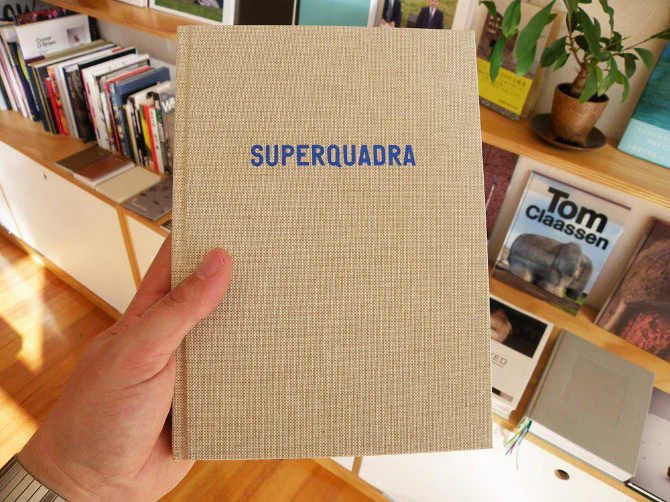
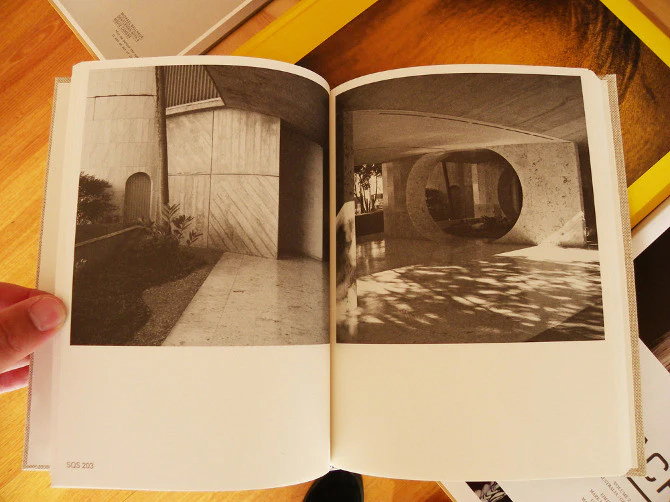
Erik van der Weijde – Superquadra

$32.08

$11.23

NEW
Thumbnail 1Thumbnail 2

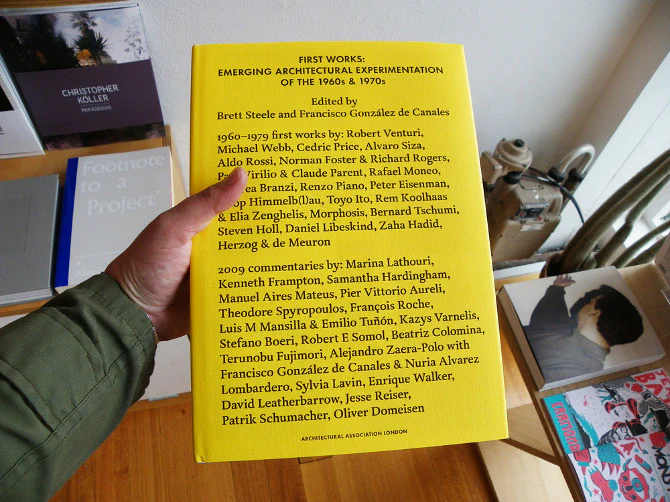
First Works: Emerging Architectural Experimentation of the 1960s & 1970s

$54.19

NEW
Thumbnail 1Thumbnail 2

AA Book Projects Review 2011: What We Talk About When We Talk About The AA

$35.65