Martin Parr - The Last Resort
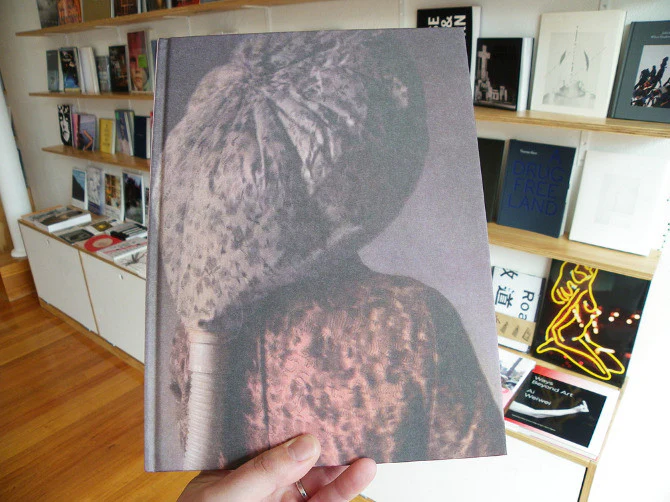
When Martin Parr’s The Last Resort was first published and exhibited in 1986 it divided both critics and audiences alike. Some saw it as the ‘finest achievement to date’ of colour photography in Britain whilst others viewed it as ‘an aberration’. With the benefit of hindsight, there is little doubt that it transformed documentary photography in Britain and placed Parr amongst the world’s leading photographers. The book is now recognised as a ‘classic’ and is highly sought by collectors worldwide. Whilst this new edition keeps the same images and sequence as the original, a new text has been commissioned from Gerry Badger.
Steering a perilous course between objectivity and voyeurism, Parr viewed the decaying holiday resort of New Brighton and its holidaymakers in a way that was new, unique and deeply disturbing. And he did so in colour, something which at the time was seen as revolutionary for documentary work. For some his camera seemed cold and cruel as it followed the working classes desperately pursuing their holiday dreams surrounded by dereliction and decay and wading through the apparently endless detritus of a pollution-ridden consumer society. Others felt it showed an affectionate, humorous and humanistic response from Parr. However it was viewed, it was undoubtedly a sharp, bitter satire of the Britain of the Thatcher years.
84 pages, 24.5 x 30cm, hardcover, Dewi Lewis (UK)
More Images


Martin Parr - The Last Resort
When Martin Parr’s The Last Resort was first published and exhibited in 1986 it divided both critics and audiences alike. Some saw it as the ‘finest achievement to date’ of colour photography in Britain whilst others viewed it as ‘an aberration’. With the benefit of hindsight, there is little doubt that it transformed documentary photography in Britain and placed Parr amongst the world’s leading photographers. The book is now recognised as a ‘classic’ and is highly sought by collectors worldwide. Whilst this new edition keeps the same images and sequence as the original, a new text has been commissioned from Gerry Badger.
Steering a perilous course between objectivity and voyeurism, Parr viewed the decaying holiday resort of New Brighton and its holidaymakers in a way that was new, unique and deeply disturbing. And he did so in colour, something which at the time was seen as revolutionary for documentary work. For some his camera seemed cold and cruel as it followed the working classes desperately pursuing their holiday dreams surrounded by dereliction and decay and wading through the apparently endless detritus of a pollution-ridden consumer society. Others felt it showed an affectionate, humorous and humanistic response from Parr. However it was viewed, it was undoubtedly a sharp, bitter satire of the Britain of the Thatcher years.
84 pages, 24.5 x 30cm, hardcover, Dewi Lewis (UK)
Product Information
Product Information
Shipping & Returns
Shipping & Returns
Description
When Martin Parr’s The Last Resort was first published and exhibited in 1986 it divided both critics and audiences alike. Some saw it as the ‘finest achievement to date’ of colour photography in Britain whilst others viewed it as ‘an aberration’. With the benefit of hindsight, there is little doubt that it transformed documentary photography in Britain and placed Parr amongst the world’s leading photographers. The book is now recognised as a ‘classic’ and is highly sought by collectors worldwide. Whilst this new edition keeps the same images and sequence as the original, a new text has been commissioned from Gerry Badger.
Steering a perilous course between objectivity and voyeurism, Parr viewed the decaying holiday resort of New Brighton and its holidaymakers in a way that was new, unique and deeply disturbing. And he did so in colour, something which at the time was seen as revolutionary for documentary work. For some his camera seemed cold and cruel as it followed the working classes desperately pursuing their holiday dreams surrounded by dereliction and decay and wading through the apparently endless detritus of a pollution-ridden consumer society. Others felt it showed an affectionate, humorous and humanistic response from Parr. However it was viewed, it was undoubtedly a sharp, bitter satire of the Britain of the Thatcher years.
84 pages, 24.5 x 30cm, hardcover, Dewi Lewis (UK)