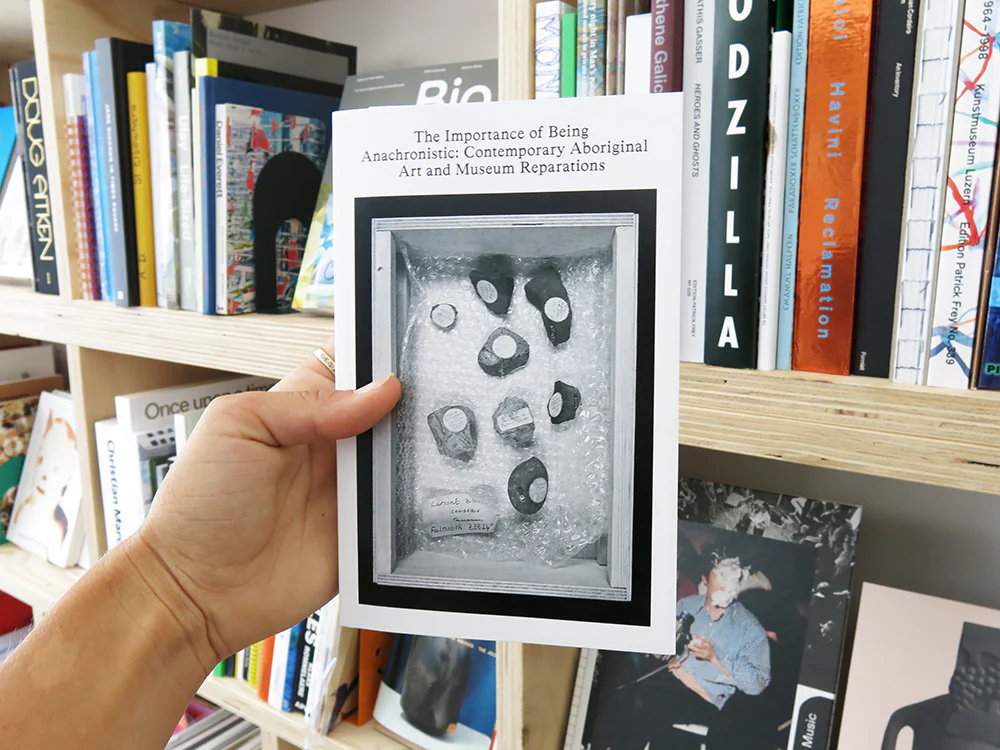
The Importance of Being Anachronistic: Contemporary Aboriginal Art and Museum Reparations
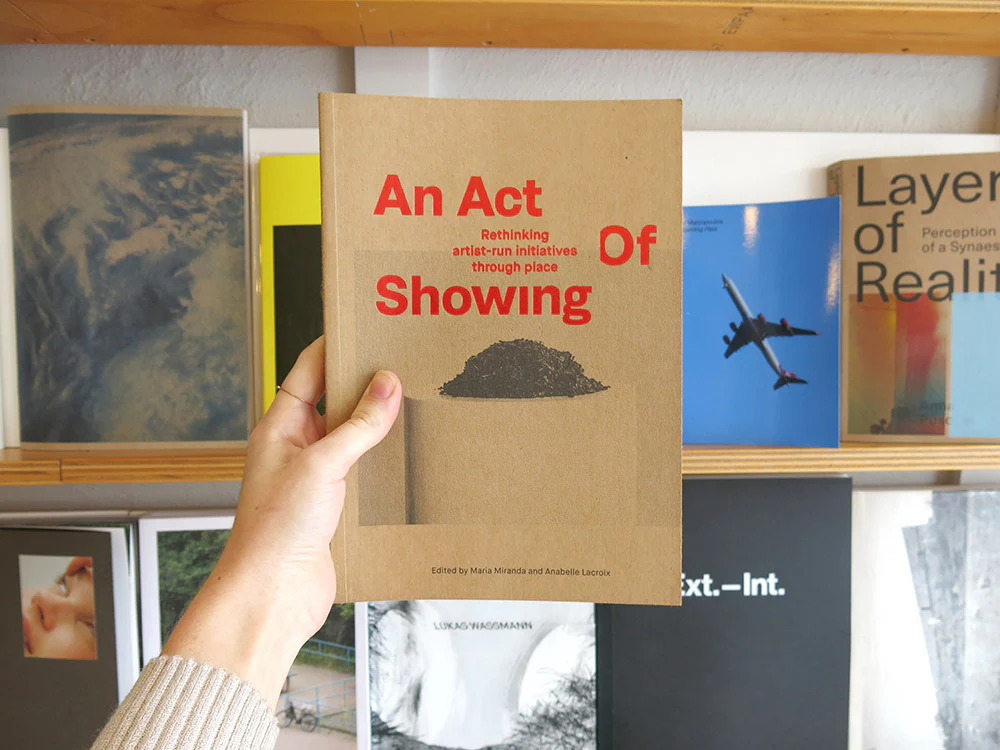
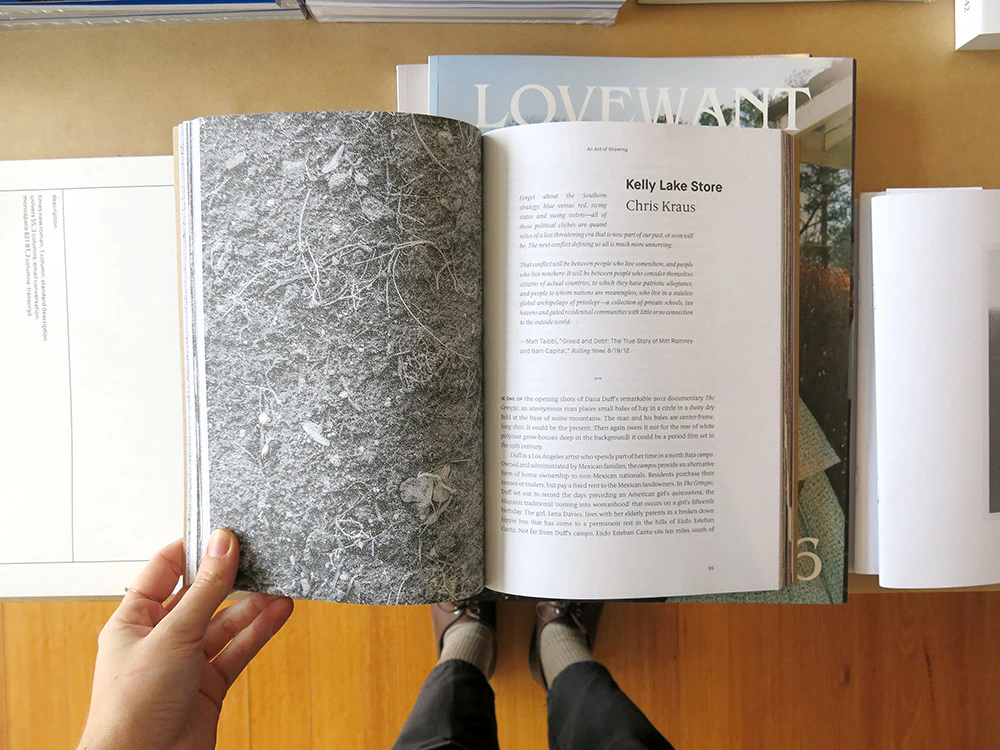
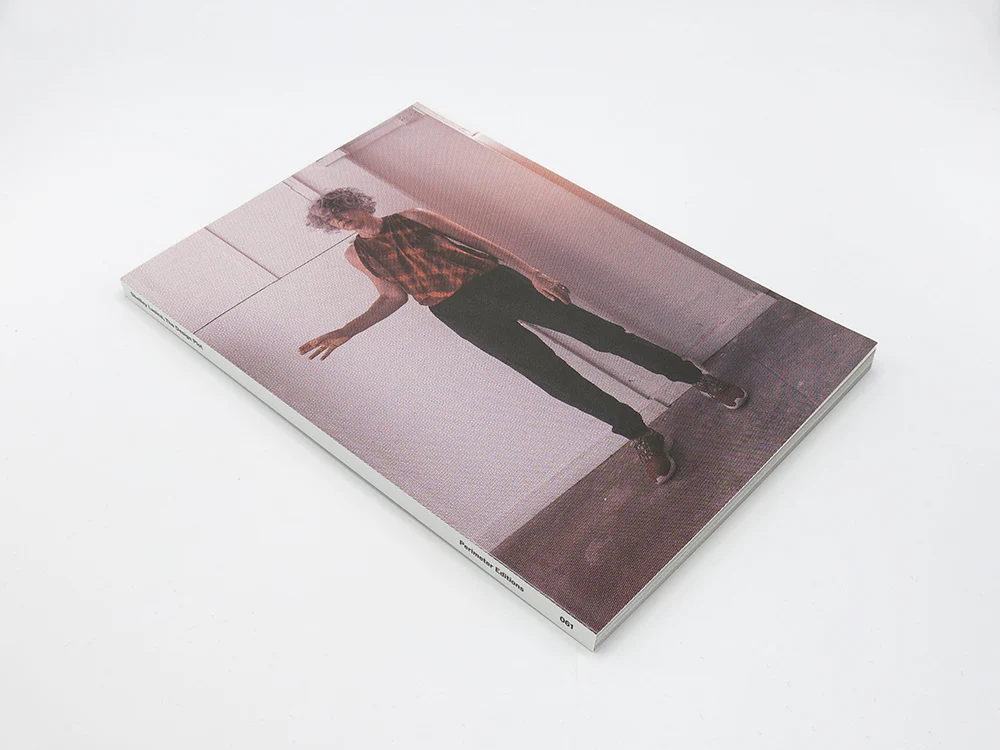
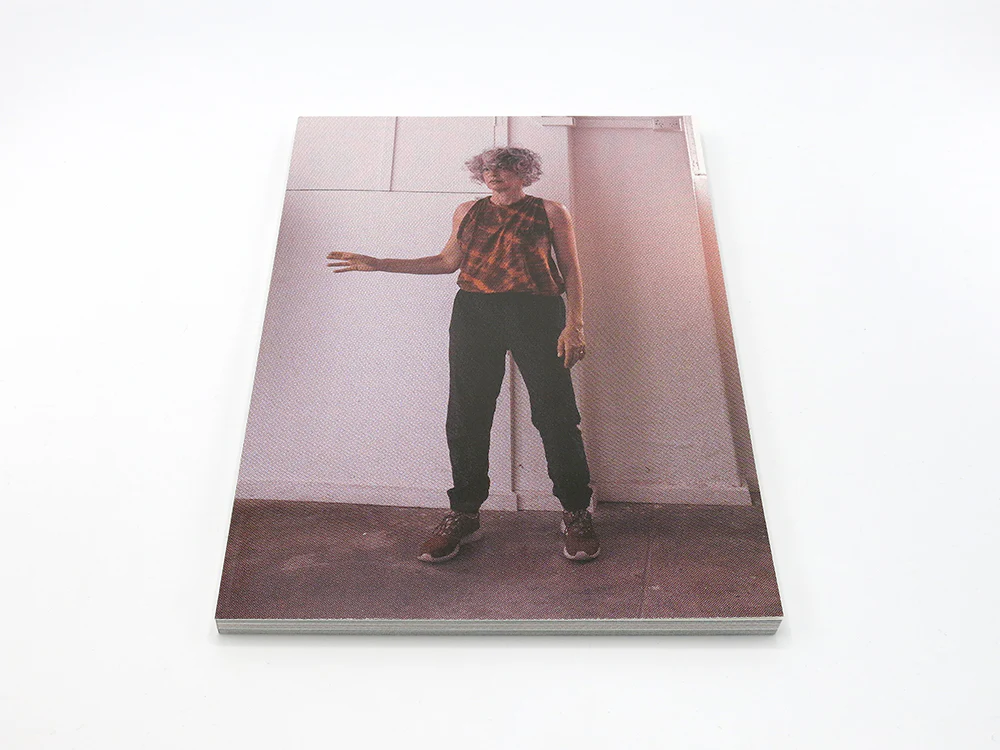
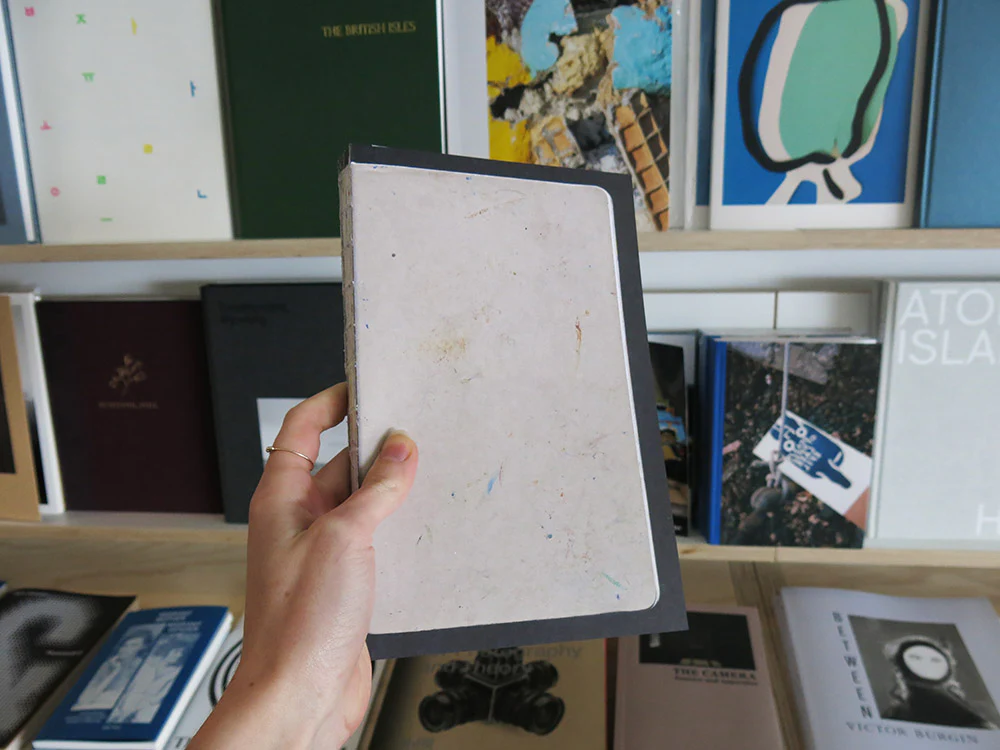
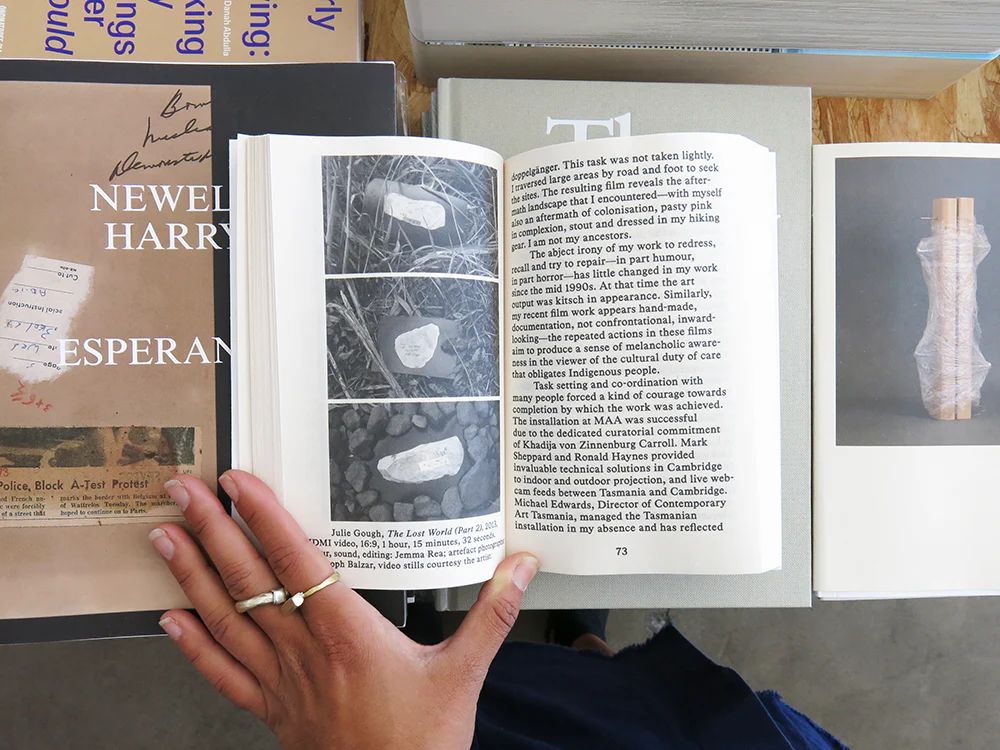
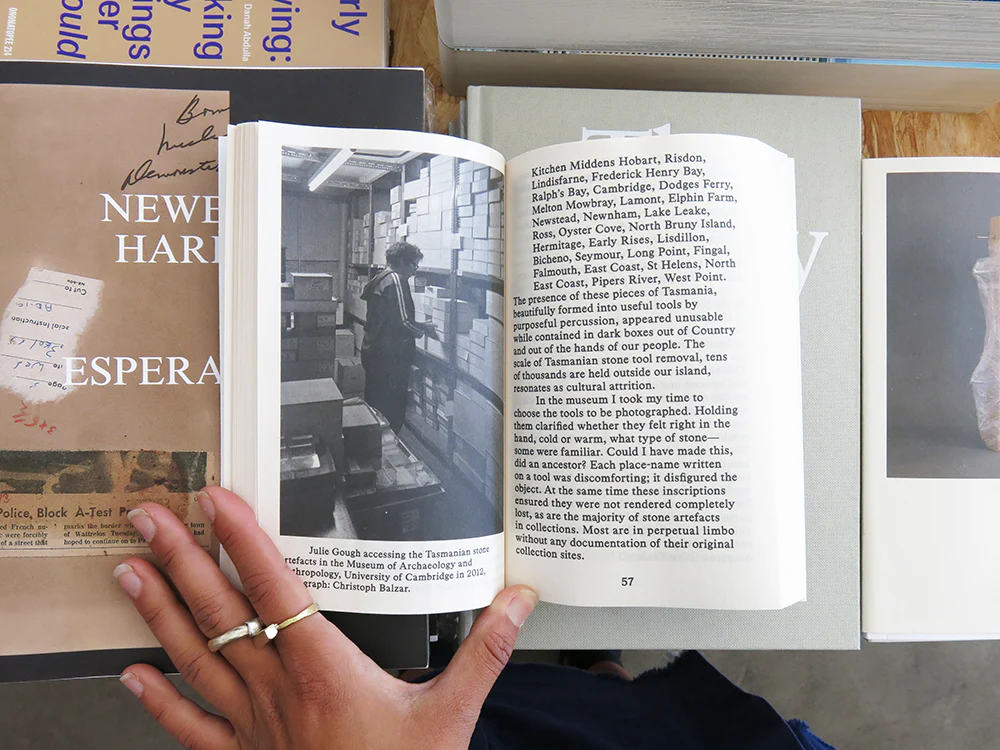
This title focuses on the role of time in contemporary art and introduces anachrony as a method for subverting the colonial archive. It takes as its subject Trawlwoolway artist Julie Gough’s The Lost World (Part 2) exhibition and intervention in the Cambridge Museum of Archaeology and Anthropology. This project is the subject of essays by Gough herself, Dacia Viejo-Rose, Ellen Smith and Christoph Balzar, with photography by Mark Adams, and a foreword by Nicholas Thomas.
216 pages, 12 x 18.4 cm, paperback, Discipline (Melbourne).
Original: $7.84
-65%$7.84
$2.74More Images




The Importance of Being Anachronistic: Contemporary Aboriginal Art and Museum Reparations
This title focuses on the role of time in contemporary art and introduces anachrony as a method for subverting the colonial archive. It takes as its subject Trawlwoolway artist Julie Gough’s The Lost World (Part 2) exhibition and intervention in the Cambridge Museum of Archaeology and Anthropology. This project is the subject of essays by Gough herself, Dacia Viejo-Rose, Ellen Smith and Christoph Balzar, with photography by Mark Adams, and a foreword by Nicholas Thomas.
216 pages, 12 x 18.4 cm, paperback, Discipline (Melbourne).
Product Information
Product Information
Shipping & Returns
Shipping & Returns
Description
This title focuses on the role of time in contemporary art and introduces anachrony as a method for subverting the colonial archive. It takes as its subject Trawlwoolway artist Julie Gough’s The Lost World (Part 2) exhibition and intervention in the Cambridge Museum of Archaeology and Anthropology. This project is the subject of essays by Gough herself, Dacia Viejo-Rose, Ellen Smith and Christoph Balzar, with photography by Mark Adams, and a foreword by Nicholas Thomas.
216 pages, 12 x 18.4 cm, paperback, Discipline (Melbourne).