J Carrier – Mi'raj
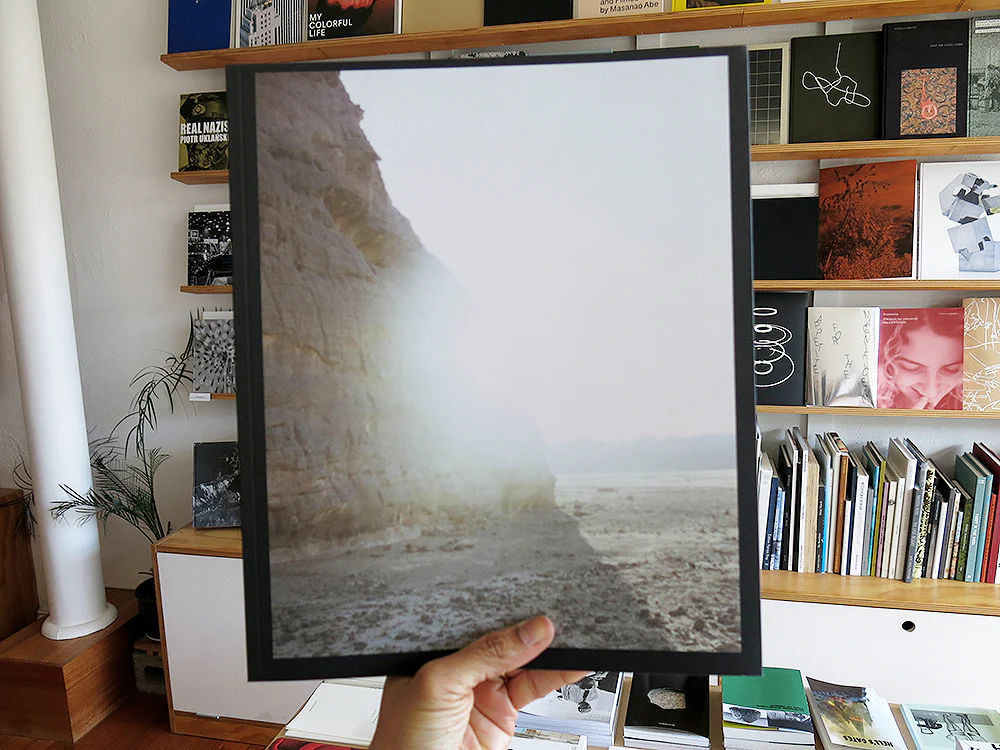
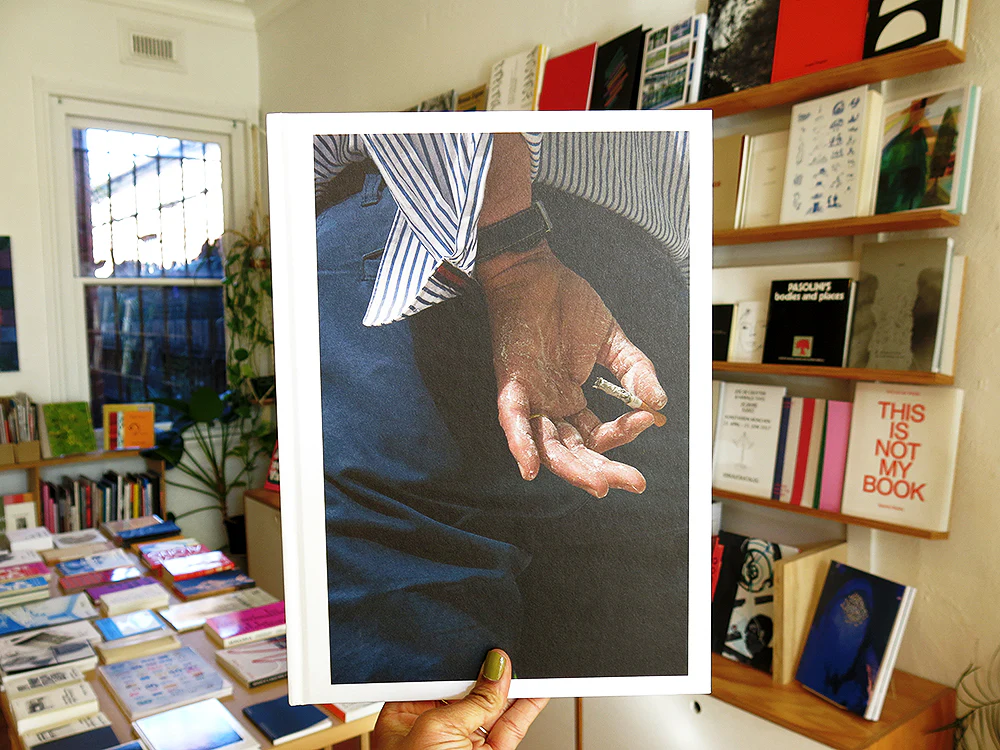
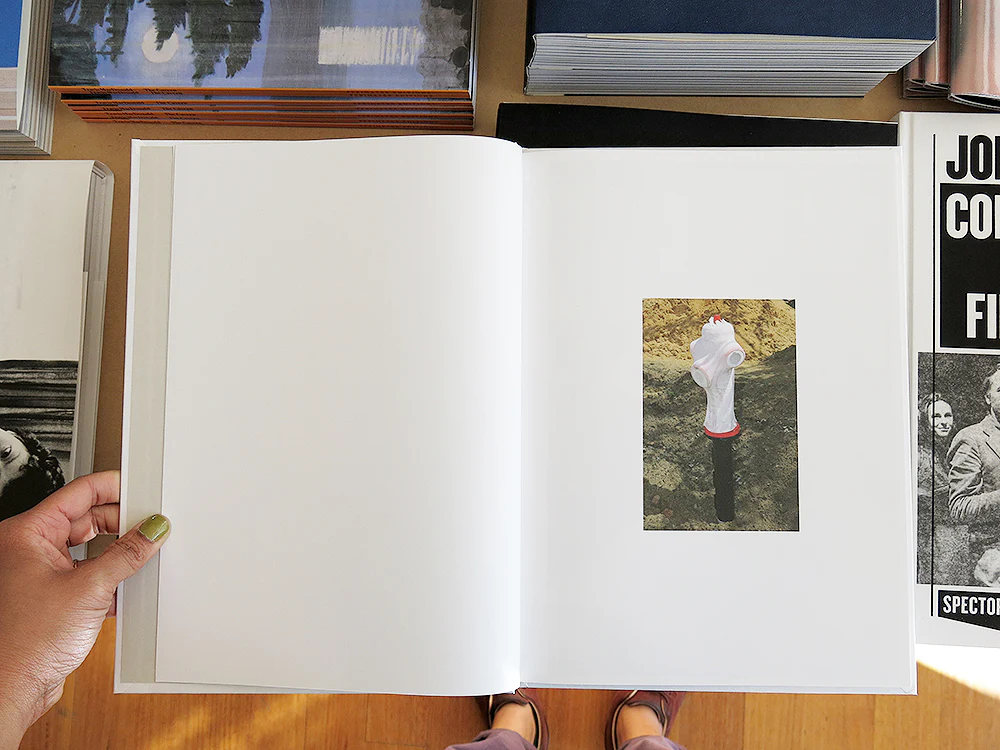
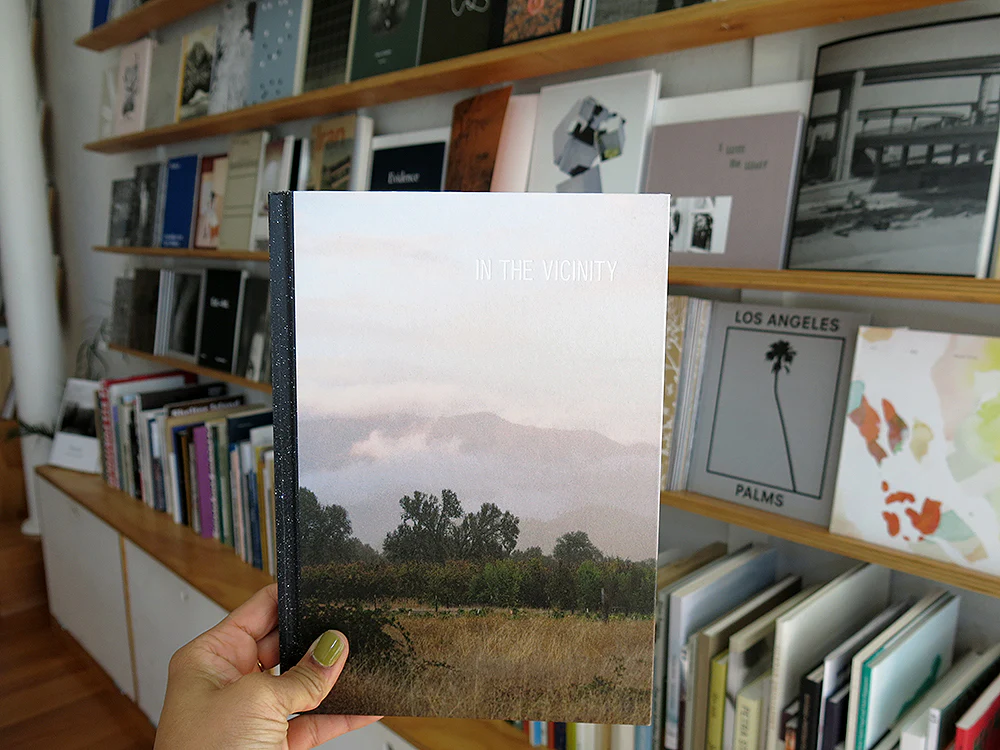
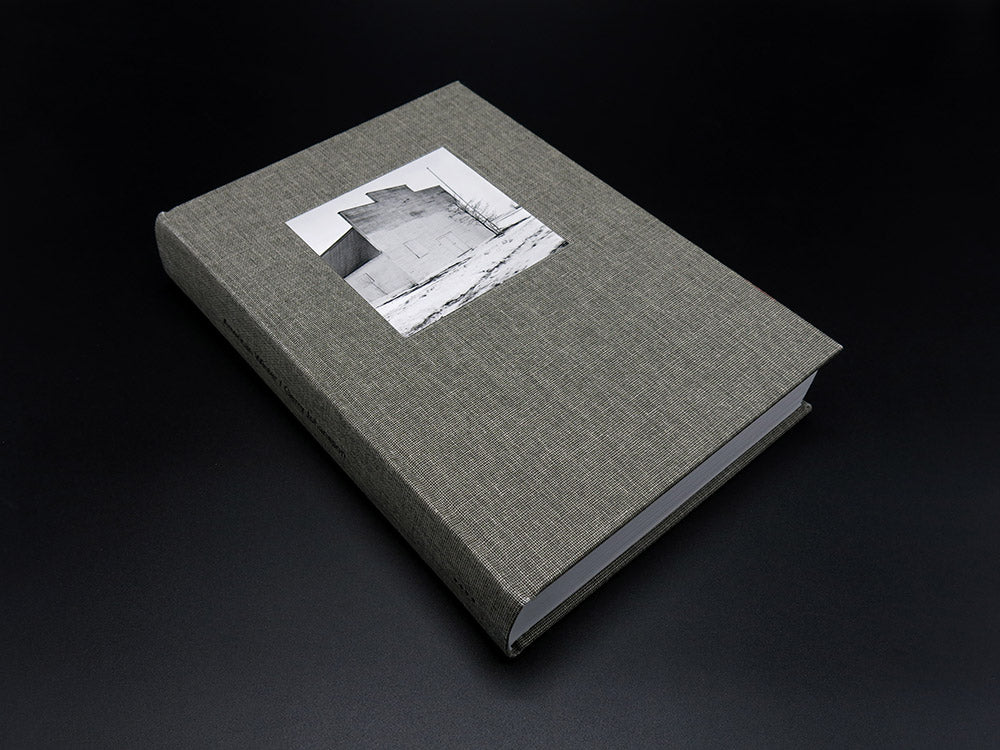
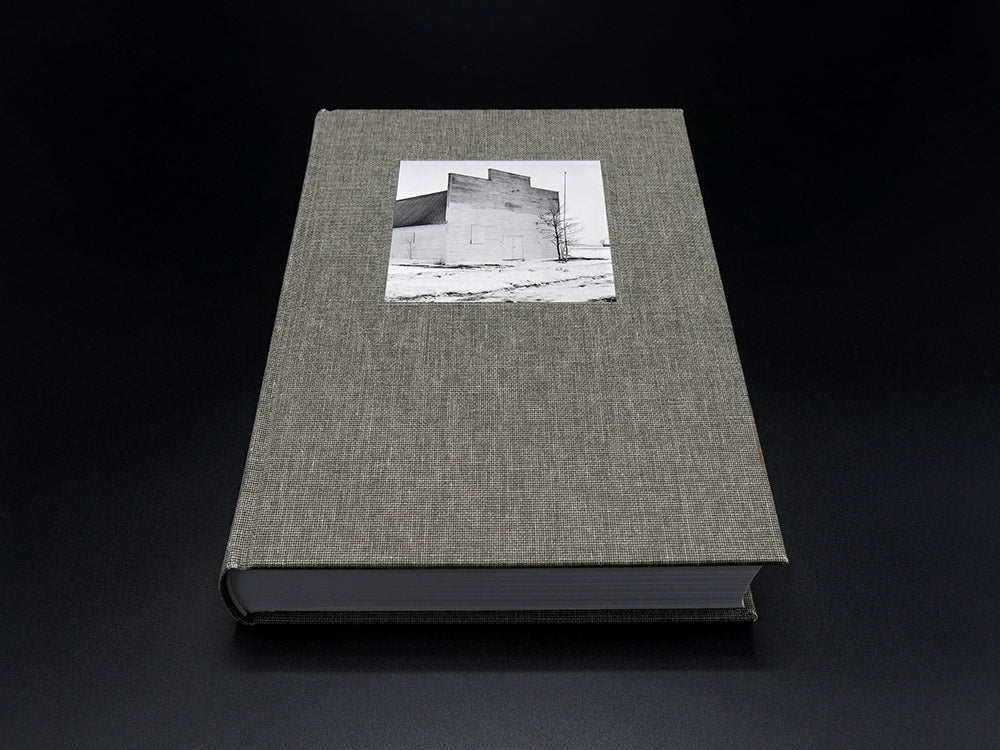
With Mi’raj (Arabic for 'ladder' or 'ascension'), J Carrier builds upon ideas explored in his book Elementary Calculus (MACK, 2012): notions of distance and destination, of hope and providence. He also scrutinises more recent preoccupations: faith, futility, and the possibility of transcendence. Working over several years, Carrier chose to survey the Old City, East and West Jerusalem, and other areas in the West Bank, engaging directly with the real and tangible artefacts of thousands of years of history and belief. Using an iterative and recursive process, Carrier’s result is a deft photographic landscape woven from the fragments of parallel and divergent realities.
Al-Isra’ wal-Mi’raj describes the journey taken by the prophet Muhammad with the angel Gabriel, from the ‘farthest place’ – the site of the modern day Al Aqsa Mosque in the Old City – to Heaven. This site is not only sacred to Muslims, but also to Jews as The Temple Mount, location of the First and Second Temples, and to Christians – where God created Adam from dust, and where Jacob, his head pillowed on stones, dreamt of angels.
The narrative of the prophet Muhammad’s ascension provided a framework for Carrier to explore the universal idea of human aspiration. In looking, we find ourselves at limits – physical, spiritual, existential – reckoning with the materials of the world – facades and stones. 'It’s both examination and exhumation,' he says. 'Through these concrete objects, the immaterial essence of a land rent between the sacred, the ideological and the actual is revealed.'
176 pages, 19.6 x 30.7 cm, softcover, TIS Books (New York).
Original: $67.02
-65%$67.02
$23.46More Images


J Carrier – Mi'raj
With Mi’raj (Arabic for 'ladder' or 'ascension'), J Carrier builds upon ideas explored in his book Elementary Calculus (MACK, 2012): notions of distance and destination, of hope and providence. He also scrutinises more recent preoccupations: faith, futility, and the possibility of transcendence. Working over several years, Carrier chose to survey the Old City, East and West Jerusalem, and other areas in the West Bank, engaging directly with the real and tangible artefacts of thousands of years of history and belief. Using an iterative and recursive process, Carrier’s result is a deft photographic landscape woven from the fragments of parallel and divergent realities.
Al-Isra’ wal-Mi’raj describes the journey taken by the prophet Muhammad with the angel Gabriel, from the ‘farthest place’ – the site of the modern day Al Aqsa Mosque in the Old City – to Heaven. This site is not only sacred to Muslims, but also to Jews as The Temple Mount, location of the First and Second Temples, and to Christians – where God created Adam from dust, and where Jacob, his head pillowed on stones, dreamt of angels.
The narrative of the prophet Muhammad’s ascension provided a framework for Carrier to explore the universal idea of human aspiration. In looking, we find ourselves at limits – physical, spiritual, existential – reckoning with the materials of the world – facades and stones. 'It’s both examination and exhumation,' he says. 'Through these concrete objects, the immaterial essence of a land rent between the sacred, the ideological and the actual is revealed.'
176 pages, 19.6 x 30.7 cm, softcover, TIS Books (New York).
Product Information
Product Information
Shipping & Returns
Shipping & Returns
Description
With Mi’raj (Arabic for 'ladder' or 'ascension'), J Carrier builds upon ideas explored in his book Elementary Calculus (MACK, 2012): notions of distance and destination, of hope and providence. He also scrutinises more recent preoccupations: faith, futility, and the possibility of transcendence. Working over several years, Carrier chose to survey the Old City, East and West Jerusalem, and other areas in the West Bank, engaging directly with the real and tangible artefacts of thousands of years of history and belief. Using an iterative and recursive process, Carrier’s result is a deft photographic landscape woven from the fragments of parallel and divergent realities.
Al-Isra’ wal-Mi’raj describes the journey taken by the prophet Muhammad with the angel Gabriel, from the ‘farthest place’ – the site of the modern day Al Aqsa Mosque in the Old City – to Heaven. This site is not only sacred to Muslims, but also to Jews as The Temple Mount, location of the First and Second Temples, and to Christians – where God created Adam from dust, and where Jacob, his head pillowed on stones, dreamt of angels.
The narrative of the prophet Muhammad’s ascension provided a framework for Carrier to explore the universal idea of human aspiration. In looking, we find ourselves at limits – physical, spiritual, existential – reckoning with the materials of the world – facades and stones. 'It’s both examination and exhumation,' he says. 'Through these concrete objects, the immaterial essence of a land rent between the sacred, the ideological and the actual is revealed.'
176 pages, 19.6 x 30.7 cm, softcover, TIS Books (New York).