🚚 Free Worldwide Shipping on All Orders!Shop Now
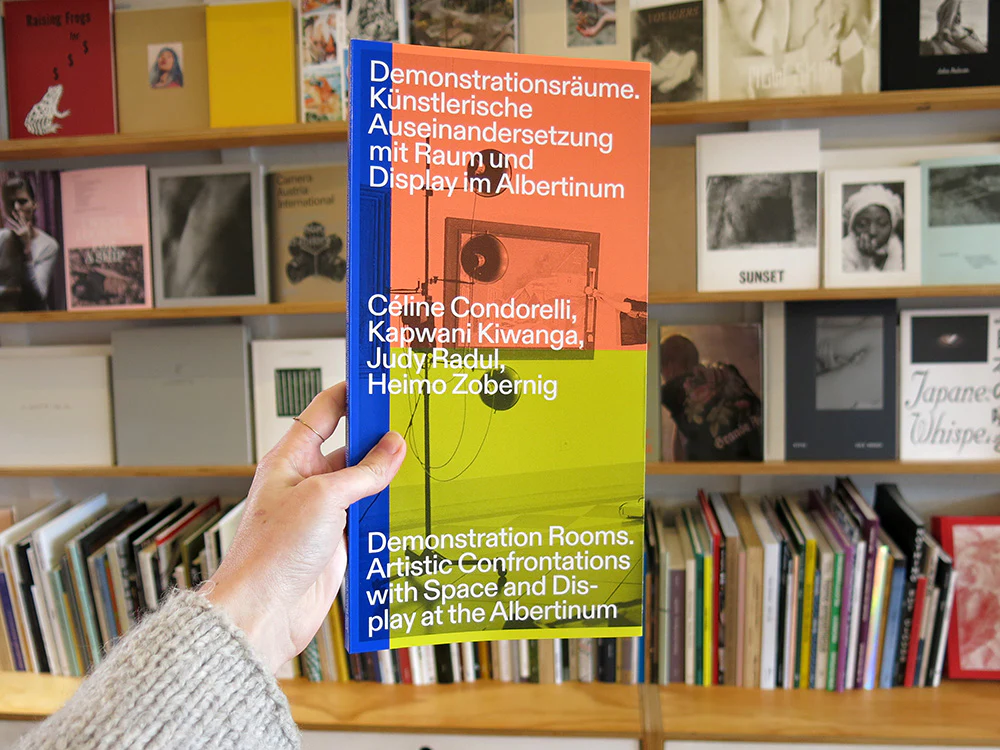
Demonstration Rooms
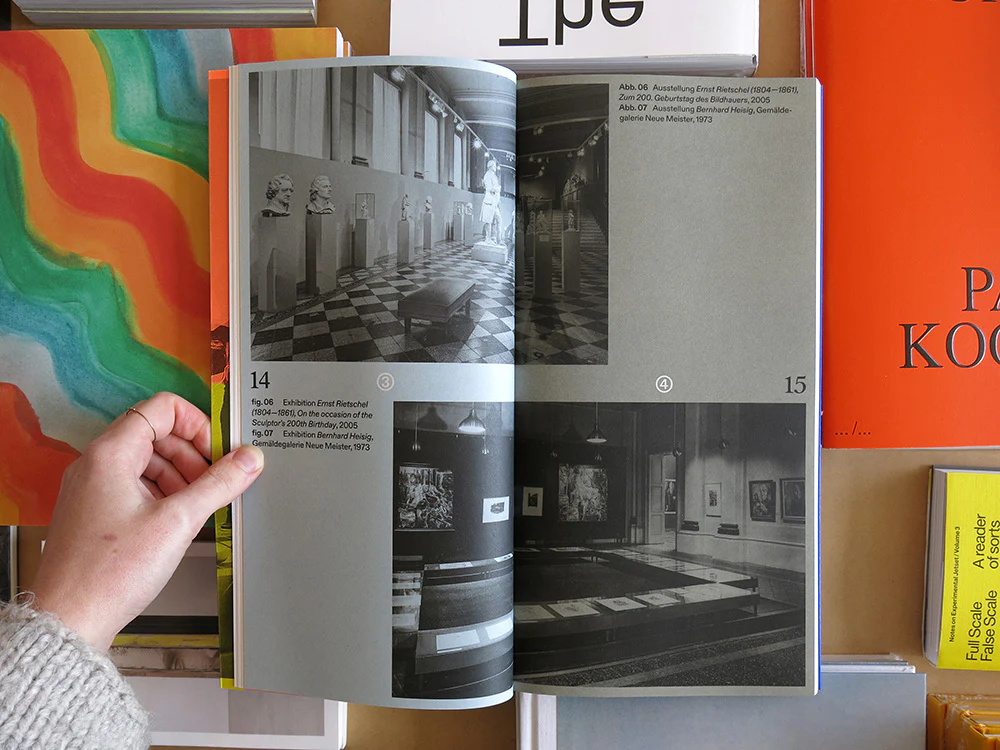
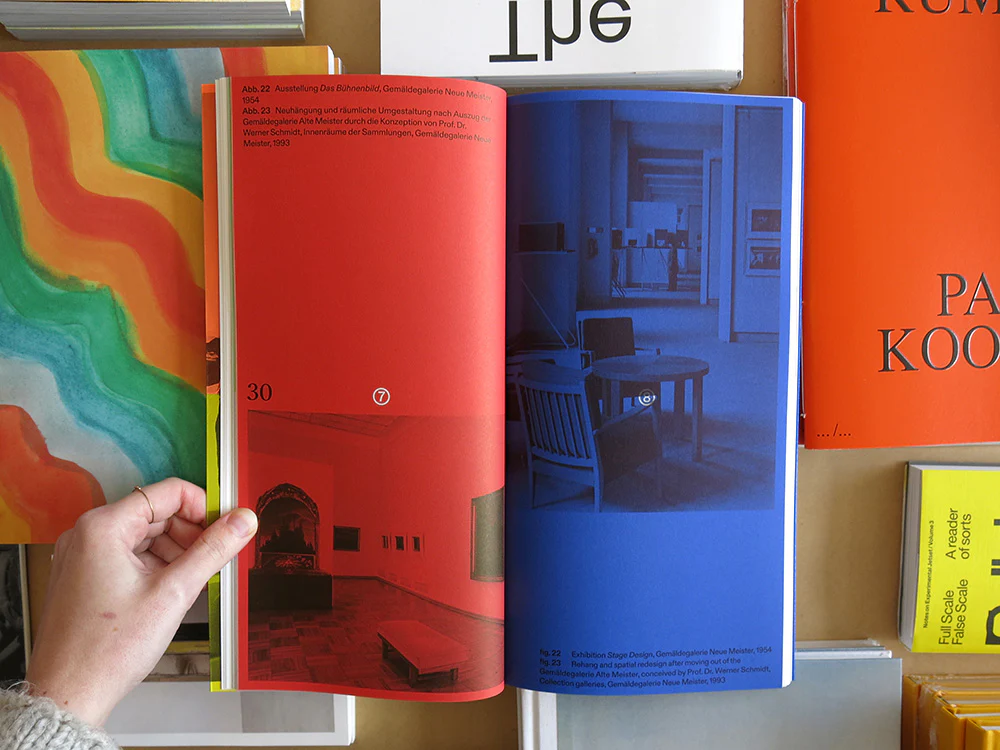
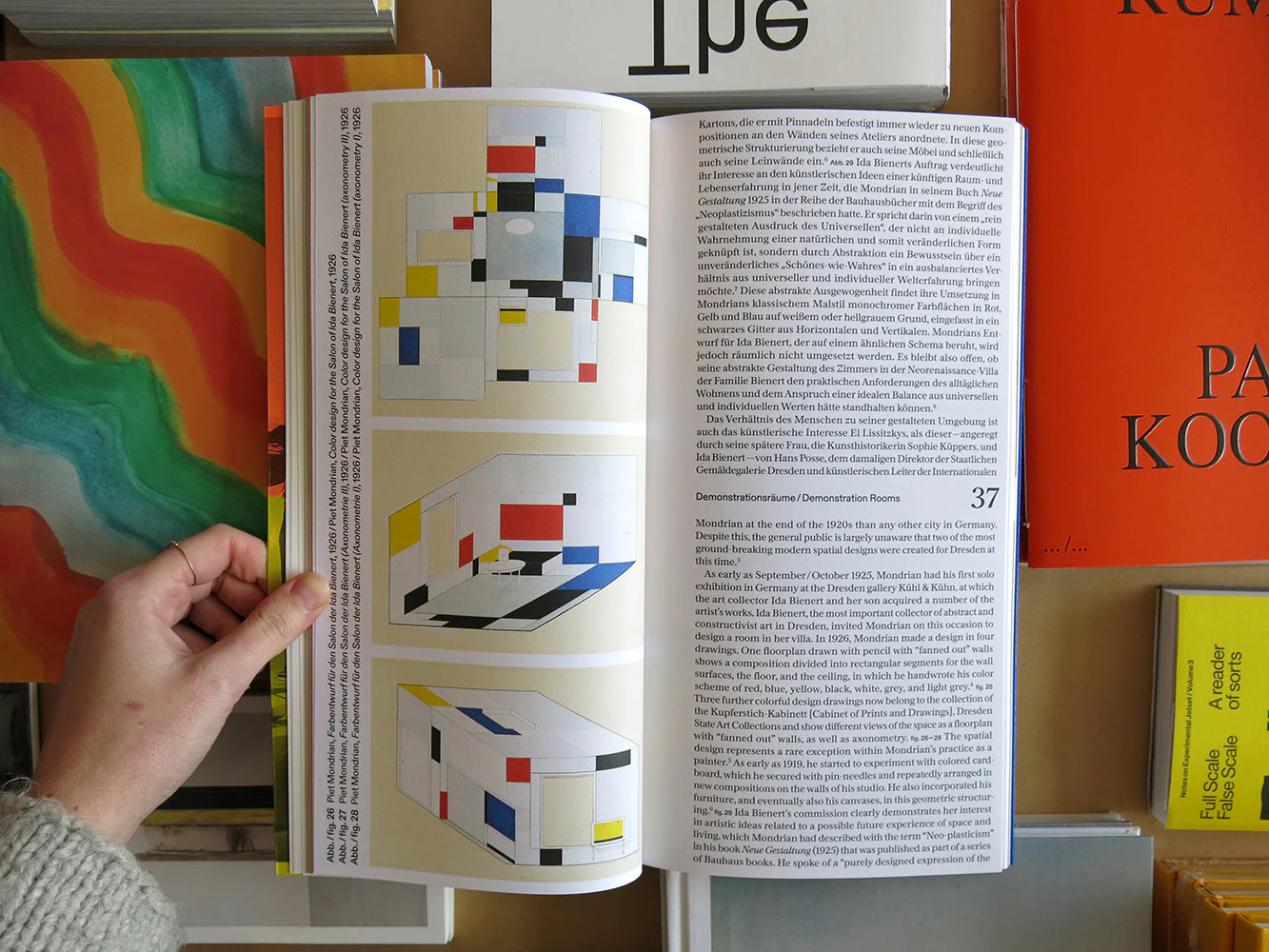
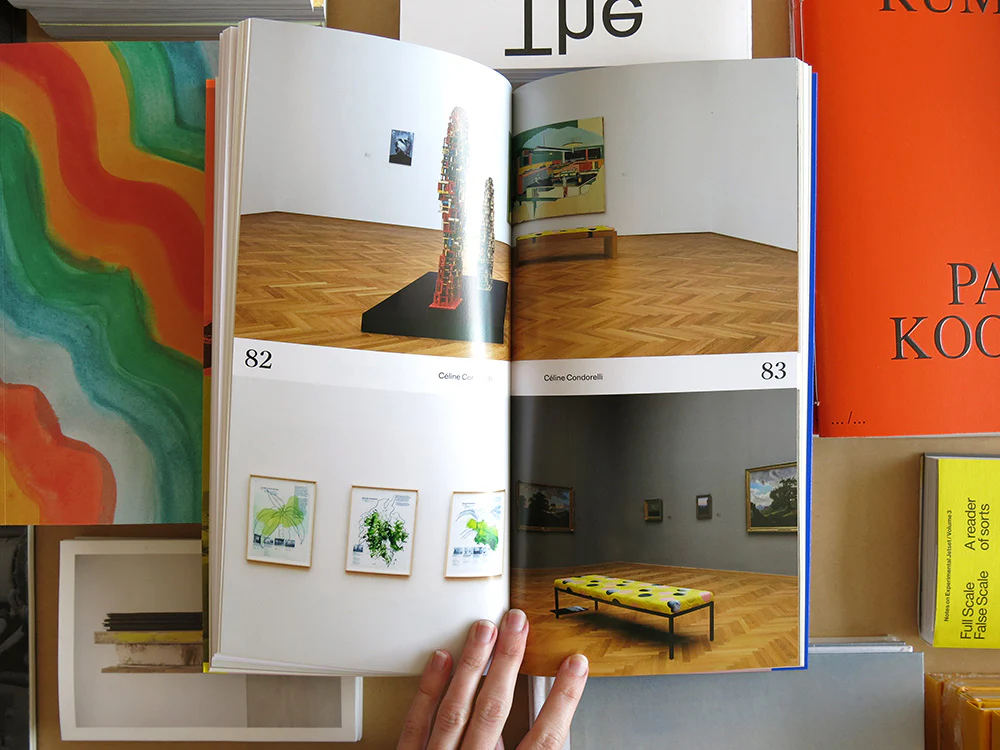
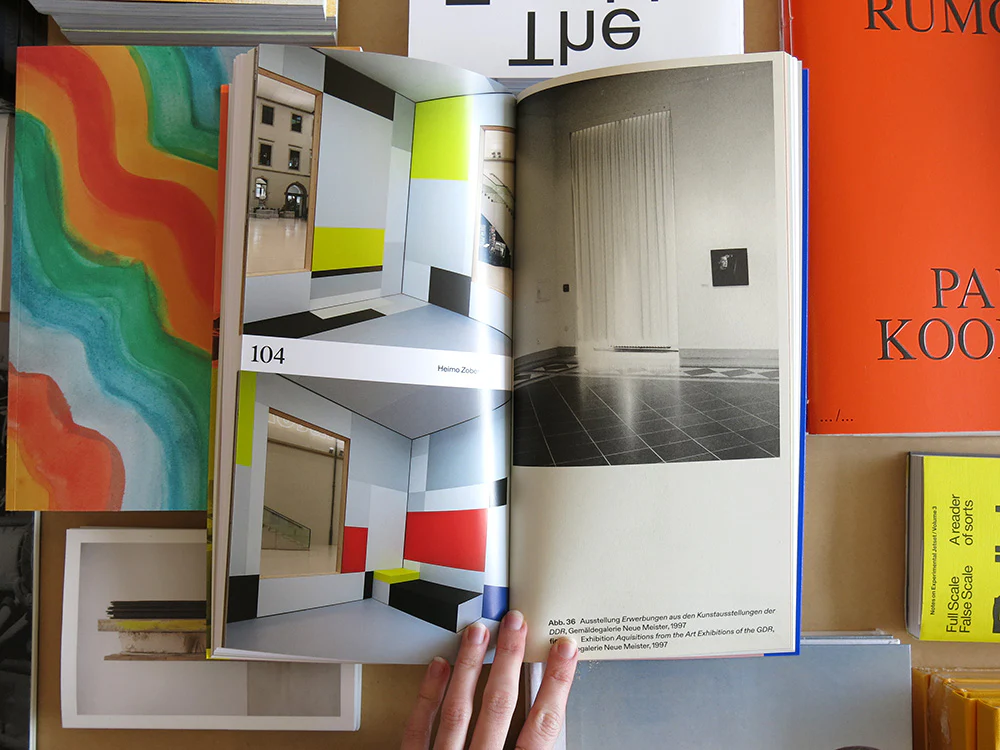
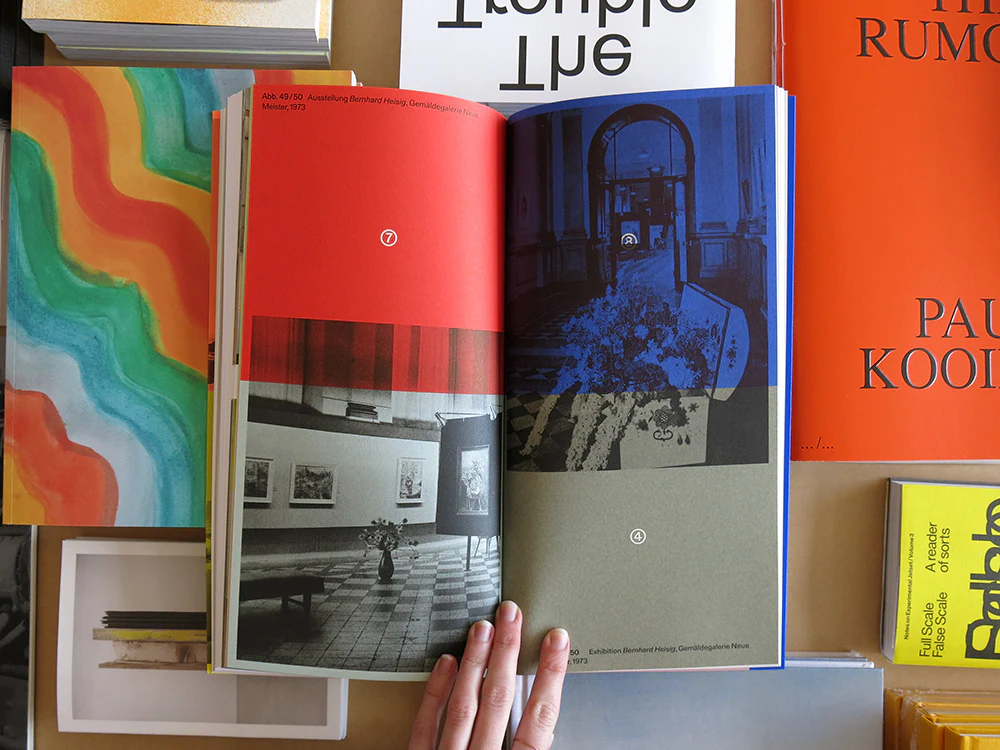
In 1926 El Lissitzky created an unconventional exhibition space in Dresden. His Room for Constructive Art connected the notion that space and the viewer are constitutive elements of an artwork and that the reception of art can be activated through the organisation of space. The publication Demonstration Rooms, which cites one of the terms Lissitzky used for his spatial designs, was produced in the context of a project at Dresden’s Albertinum that presented new artworks by Céline Condorelli, Kapwani Kiwanga, Judy Radul, and Heimo Zobernig. Their installations explored the relationship between art, space, and viewer within the specific context of the architecture, design, and collection of the Albertinum. They drew upon Lissitzky’s core ideas and a spatial design by Piet Mondrian, which was created in 1926 for the Dresden residence of art collector Ida Bienert.
El Lissitzky (1890-1941), one of the most influential Russian constructivists, worked in painting, graphic design, architecture, typography, and photography.
192 pages, 16 x 32 cm, softcover, Spector Books (Leipzig).
El Lissitzky (1890-1941), one of the most influential Russian constructivists, worked in painting, graphic design, architecture, typography, and photography.
192 pages, 16 x 32 cm, softcover, Spector Books (Leipzig).
$11.98
Original: $34.22
-65%Demonstration Rooms—
$34.22
$11.98More Images
Demonstration Rooms
In 1926 El Lissitzky created an unconventional exhibition space in Dresden. His Room for Constructive Art connected the notion that space and the viewer are constitutive elements of an artwork and that the reception of art can be activated through the organisation of space. The publication Demonstration Rooms, which cites one of the terms Lissitzky used for his spatial designs, was produced in the context of a project at Dresden’s Albertinum that presented new artworks by Céline Condorelli, Kapwani Kiwanga, Judy Radul, and Heimo Zobernig. Their installations explored the relationship between art, space, and viewer within the specific context of the architecture, design, and collection of the Albertinum. They drew upon Lissitzky’s core ideas and a spatial design by Piet Mondrian, which was created in 1926 for the Dresden residence of art collector Ida Bienert.
El Lissitzky (1890-1941), one of the most influential Russian constructivists, worked in painting, graphic design, architecture, typography, and photography.
192 pages, 16 x 32 cm, softcover, Spector Books (Leipzig).
El Lissitzky (1890-1941), one of the most influential Russian constructivists, worked in painting, graphic design, architecture, typography, and photography.
192 pages, 16 x 32 cm, softcover, Spector Books (Leipzig).
Product Information
Product Information
Shipping & Returns
Shipping & Returns
Description
In 1926 El Lissitzky created an unconventional exhibition space in Dresden. His Room for Constructive Art connected the notion that space and the viewer are constitutive elements of an artwork and that the reception of art can be activated through the organisation of space. The publication Demonstration Rooms, which cites one of the terms Lissitzky used for his spatial designs, was produced in the context of a project at Dresden’s Albertinum that presented new artworks by Céline Condorelli, Kapwani Kiwanga, Judy Radul, and Heimo Zobernig. Their installations explored the relationship between art, space, and viewer within the specific context of the architecture, design, and collection of the Albertinum. They drew upon Lissitzky’s core ideas and a spatial design by Piet Mondrian, which was created in 1926 for the Dresden residence of art collector Ida Bienert.
El Lissitzky (1890-1941), one of the most influential Russian constructivists, worked in painting, graphic design, architecture, typography, and photography.
192 pages, 16 x 32 cm, softcover, Spector Books (Leipzig).
El Lissitzky (1890-1941), one of the most influential Russian constructivists, worked in painting, graphic design, architecture, typography, and photography.
192 pages, 16 x 32 cm, softcover, Spector Books (Leipzig).