Ben Thorp Brown – Cura’s Garden
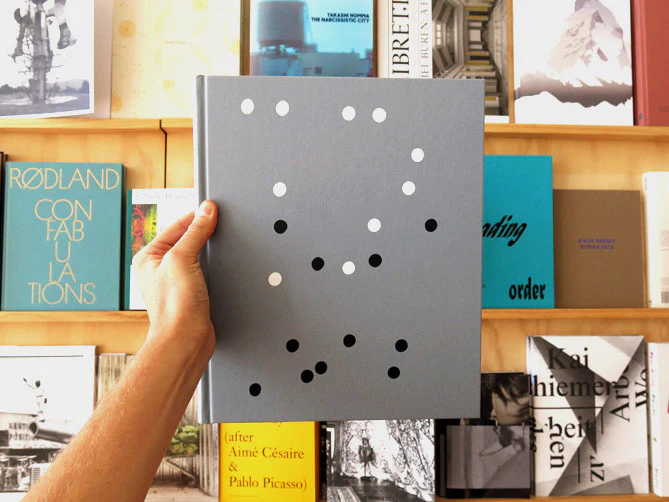
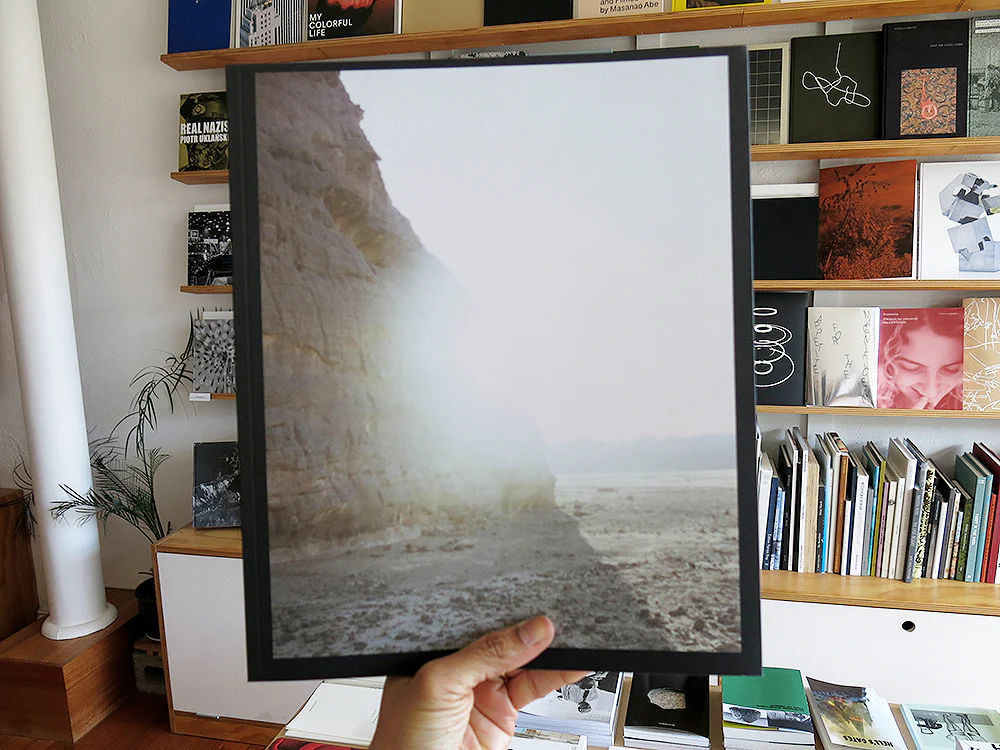
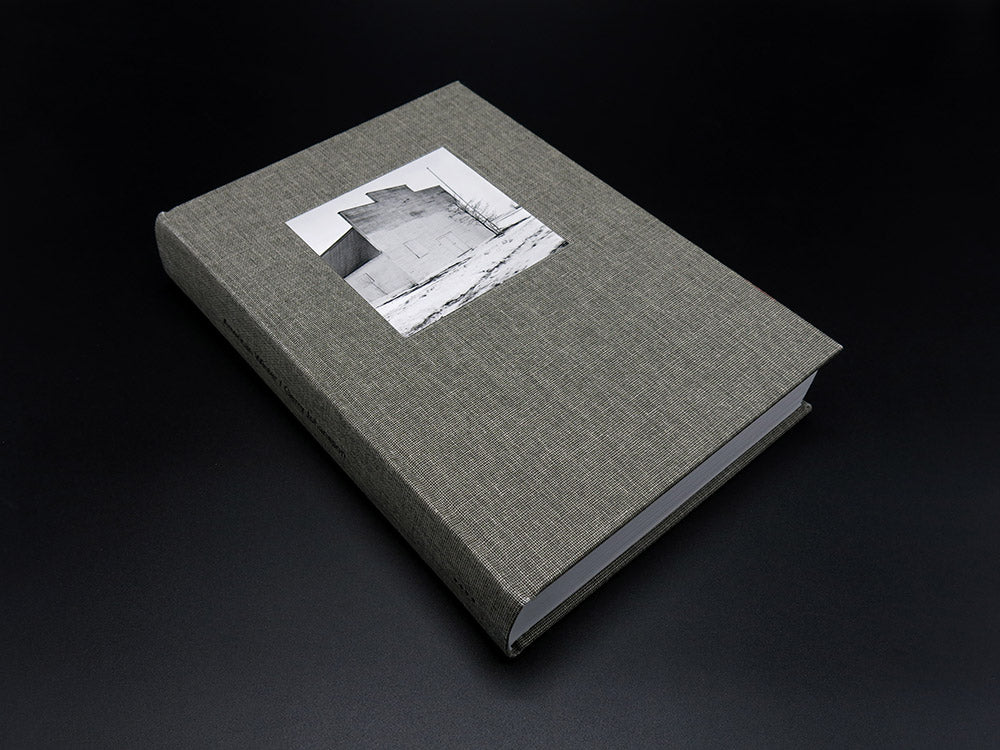
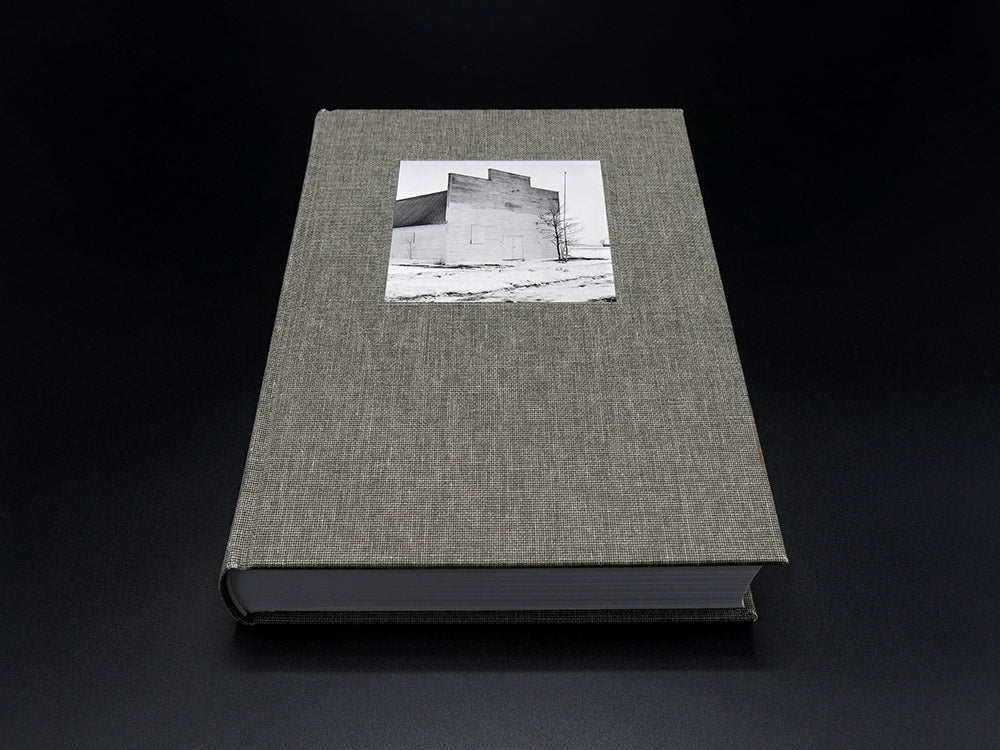
American artist Ben Thorp Brown opened Cura’s Garden in 2023, an immersive exhibition set in the medieval garden of Kunsthal Gent, a former Carmelite monastery. Expanding on the Roman myth of Cura, the project gathers an assortment of trees and other flora, plus sculpture, fog, and sound – elements that form a dense, indeterminate sensorial experience. This book documents two years of the garden’s young life and features linocut botanical prints by the artist’s mother, Cary Thorp Brown.
Essays by Laura McLean-Ferris, Laurie Cluitmans, and Robert Wiesenberger explore the conceptual, formal, art historical, and affective valences of the site-specific installation.
More Images


Ben Thorp Brown – Cura’s Garden
American artist Ben Thorp Brown opened Cura’s Garden in 2023, an immersive exhibition set in the medieval garden of Kunsthal Gent, a former Carmelite monastery. Expanding on the Roman myth of Cura, the project gathers an assortment of trees and other flora, plus sculpture, fog, and sound – elements that form a dense, indeterminate sensorial experience. This book documents two years of the garden’s young life and features linocut botanical prints by the artist’s mother, Cary Thorp Brown.
Essays by Laura McLean-Ferris, Laurie Cluitmans, and Robert Wiesenberger explore the conceptual, formal, art historical, and affective valences of the site-specific installation.
Product Information
Product Information
Shipping & Returns
Shipping & Returns
Description
American artist Ben Thorp Brown opened Cura’s Garden in 2023, an immersive exhibition set in the medieval garden of Kunsthal Gent, a former Carmelite monastery. Expanding on the Roman myth of Cura, the project gathers an assortment of trees and other flora, plus sculpture, fog, and sound – elements that form a dense, indeterminate sensorial experience. This book documents two years of the garden’s young life and features linocut botanical prints by the artist’s mother, Cary Thorp Brown.
Essays by Laura McLean-Ferris, Laurie Cluitmans, and Robert Wiesenberger explore the conceptual, formal, art historical, and affective valences of the site-specific installation.